When people ask us about the substance to be addicted to, there often isn’t one straight answer. The impact of drug addiction can be wildly different from person to person.
“Worst” can mean different things—deadliest, most addictive, hardest to quit, or most destructive to health. Some addictions cause severe physical withdrawal, while others destroy lives through psychological grip alone. Many combine both.
Some substances are extremely dangerous because they risk overdose. Meanwhile, others creep up on you slowly until they take over your life.
For us, the hardest addictions to recover from are the latter type.
So what is the worst addiction, and why is psychological dependence harder than physical dependence? Learn everything you need to know here.
Physical Dependence Vs. Psychological Dependence
Many people don’t realize this, but drugs can affect you both physically and psychologically. Knowing the difference is key to understanding why some addictions are so hard to break.
What Is Physical Dependence?
Physical dependence happens when your body adapts to the addictive substances. You begin to rely on the drug to function. Moreover, stopping usage can cause dangerous withdrawal symptoms.
Without the addictive drugs, someone with physical dependence may experience shaking, sweating, nausea, and changes in heart rate. In serious cases, physical dependence can cause life-threatening seizures.
That said, most physical symptoms are temporary. They fade after medical detox and addiction treatment.

What Is Psychological Dependence?
Psychological dependence is much more complicated than physical dependence. Instead of affecting your body, substances can change your thoughts and behaviors.
Someone with a psychological dependence on drugs will have persistent cravings and mood swings.
They don’t feel like themselves without the substance, and it can affect their decision-making. Those struggling with psychological dependence use drugs, even knowing how harmful it is.
Why Is Psychological Dependence Harder Than Physical Dependence?
People often concentrate on the physical effects of substance use disorder because they can be dangerous. However, psychological dependence causes the hardest addictions as they reach much deeper.
Psychological dependence affects your mental health. It changes how you think or act, even once the drug is long gone from your system.
Psychological dependence is the worst addiction for the following reasons.
- Substance Reliance: Substance abuse creates a deep reliance on a drug. Drug use becomes something they need to do as a coping mechanism.
- Years of Cravings: Unlike physical dependence, psychological dependence lasts months and years after the last dose. Even the smallest trigger, such as a bad day, can cause intense cravings.
- Mental Health Issues: Psychological dependence can develop alongside mental health issues like PTSD and depression. When you use substances to escape painful memories, it results in a powerful emotional attachment.
- Feelings of Being Trapped: Psychological dependence can cause fear, shame, and guilt. Over time, these can make you feel isolated and trapped in an unending cycle.
- Brain Chemistry Changes: Addictive substances hijack your brain’s dopamine reward system. This neurological rewiring makes psychological dependence especially persistent, as your brain literally changes how it experiences pleasure and motivation without the drug.
What Is the Worst Addiction? 7 Drugs That Cause Psychological Dependence
In this section, we discuss which drugs leave the longest-lasting effects.
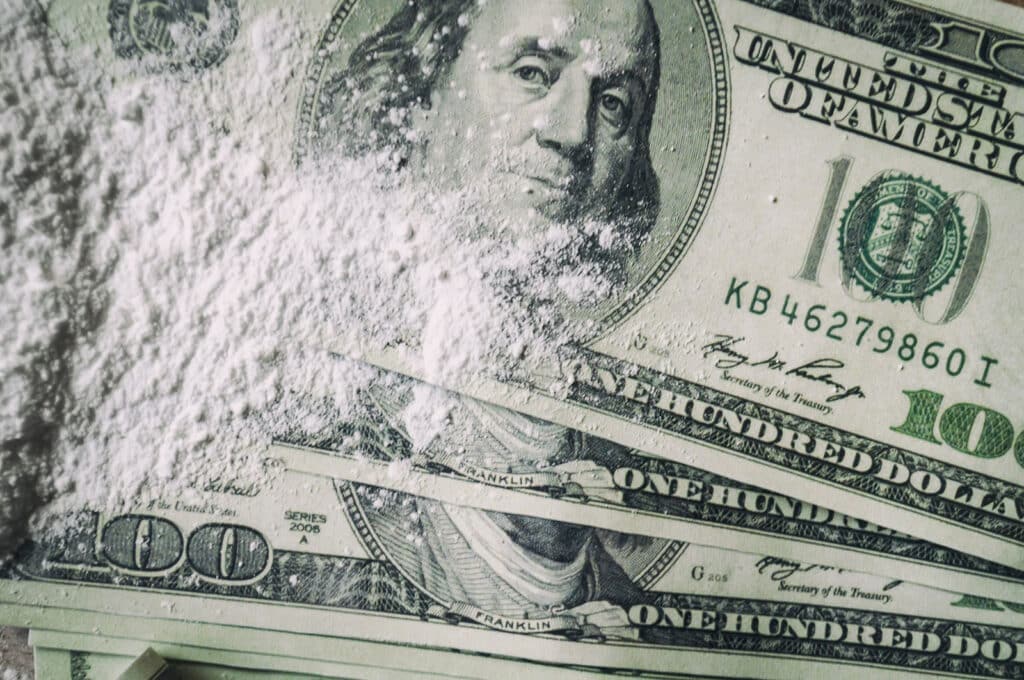
1. Cocaine
Cocaine is a potent psychostimulant. It works by blocking your dopamine and serotonin transporters.
Cocaine hijacks your brain’s reward system and floods you with feelings of pleasure. This mechanism increases cocaine’s reinforcing effects.
In the US, 1.5 million individuals are active cocaine users. It’s so dangerous that the drug causes the majority of drug-related emergency room visits. According to the CDC, cocaine is involved in 1 in 5 overdose deaths nationwide.
2. Methamphetamine
Methamphetamine, or crystal meth, is one of the most powerful central nervous system stimulants. That’s because this drug is fat-soluble, meaning it can rapidly move across the blood-brain barrier.
Using it triggers elevated mood, energy, and libido. It also causes paranoia, mood swings, and hallucinations.
Methamphetamine becomes highly addictive when taken long-term. Its withdrawal symptoms usually last for months after the last dose.
3. Opioids and Opiates
Opioids like methadone, fentanyl, prescription painkillers, and heroin cause over 80,000 deaths annually in the US, according to the CDC.
When you have a fentanyl, methadone, or heroin addiction, your psychological health takes a toll. You may develop compulsive behaviors. As a result, you lose your ability to prioritize your well-being.
4. Alcohol
Drinking alcohol can feel like a harmless, fun activity at times. However, it has powerful depressant effects when misused.
Over time, drinking alcohol changes your brain’s functions and structure. This turns into alcohol addiction, which can be difficult to control.
People with alcohol use disorder experience changes in their mood and behavior. If you use alcohol to cope with tough situations, you’re at a high risk of becoming psychologically dependent.
5. Benzodiazepines
Benzodiazepines are drugs that reduce tension and improve mental calmness. However, using too much can cause physical and psychological dependence.
Studies show that people who are psychologically dependent on benzodiazepines have higher neuroticism. They are more prone to negative emotions and psychological stress.
Not only that, but those dependent on benzodiazepines are more introverted and have poor coping mechanisms.
6. THC
THC, cannabis, or marijuana, are drugs that are responsible for mind-altering effects. It binds to receptors in your central nervous system.
Because of this, THC causes euphoria and relaxation, leading to psychological dependence.
Repeatedly using THC changes your biochemical responses and alters your behavior. It also has a long half-life, meaning it takes a considerable amount of time to leave your system.
7. Nicotine
Like other illicit substances, nicotine in cigarettes and vapes can affect your brain’s reward system. It works by triggering the release of dopamine, which elevates your mood and reinforces the behavior.
Over time, your body will crave nicotine. You may become irritable and anxious when you’re not using it, even if you develop health problems.
The cycle is incredibly difficult to stop due to the psychological dependence.
Behavioral Addictions: Beyond Substances
Psychological dependence isn’t limited to drugs. Behavioral addictions like gambling, internet use, sex, shopping, and video games follow similar patterns. These process addictions activate the same dopamine pathways, creating powerful cravings and compulsive behaviors without any substance involved. For many, behavioral addictions are just as difficult to overcome as drug dependence.

What Can You Do to Recover? Treatments for Psychological Dependence
Recovering from psychological drug dependence is a long journey. However, you can break free with proper medical attention.
Here’s how you can psychologically heal from a drug or alcohol use disorder.
1. Cognitive Behavioral Therapy
Cognitive behavioral therapy is one of the most effective tools for psychological dependence. The reason for this is that it addresses negative patterns.
CBT uses evidence-based methods to heal stress and trauma.
This treatment lets patients recognize triggers that make cravings stronger. It helps you develop healthier coping strategies to prevent future relapses.
2. Motivational Interviewing
Motivational interviewing is a counseling approach that reinforces your desire to change. Therapists first understand the patient’s motivations. They listen with empathy and empower the patient through open-ended questions and affirmations.
Motivational interviewing can be a powerful treatment. It’s especially suitable for those who feel conflicted about therapy.
3. 12-Step Meetings
12-step meetings are interventions and support programs for substance use disorders. It uses a community-based approach to provide accountability and guidance.
Those attending 12-step meetings can learn how to cope with the psychological effects of drug use. Plus, they can join a network of people who have gone through similar challenges.
4. Mindfulness Therapies
Mindfulness therapies are treatments that help individuals manage their cravings and emotions. They aim to replace drug use with healthy coping mechanisms.
Some examples of mindfulness therapies include meditation and dialectical behavior therapy.
5. Contingency Management
Contingency management is a type of behavioral therapy. This therapy uses positive reinforcement to treat psychological dependence.
It does this by rewarding healthy behaviors through incentives, like vouchers or cash.
Contingency management may seem unconventional. Still, it’s an evidence-based treatment with a strong track record.

Recovering From the Worst Addiction – How ReCreate Behavioral Health Network Can Help
Psychological dependence is often the worst part of having an addiction. Yet, recovery is possible with medical assistance.
Recreate Behavioral Health Network is a collection of treatment centers focused on your healing and wellness. We have a wide range of treatment programs to give our patients the best chance of success.
Here’s what you can expect from us.
- Tailored Treatments: Choose from outpatient, inpatient, and partial hospitalization. We have services suited to your individual needs.
- Experienced Staff: Our healthcare workers and doctors are highly trained to help you manage any withdrawal symptoms. We ensure you and your loved ones remain safe and comfortable.
- Five-Star Facilities: We provide patients with a private environment designed to support healing. Stay in beautifully serene spaces as you undergo drug and alcohol rehab.
- Fewer Health Risks: Patients will have peace of mind during detoxification. Receive prescription medications and 24/7 monitoring through our residential addiction treatment program.
- A Supportive Network: We give you access to a network of individuals who genuinely care about your well-being. You never have to be alone during the tough journey ahead.
Conclusion
Although there’s no single ‘worst addiction’, certain drugs can make recovery more difficult.
Substances like cocaine and methamphetamine change your brain chemistry and cause psychological dependence. As a result, it can take months and years to recover from them.
The good news is that, with proper help, you can recover from even the worst addictions. All you have to do is take that first step.
If you need assistance or you want to stage an intervention for a loved one, please don’t hesitate to call our phone number. Recreate Behavioral Health Network is here to help you live a life free from the cycle of dependence!