Cannabis culture spreads fast online. One week, a new strain appears in a very niche area of the internet. Then, it’s all over TikTok, FYPs, and podcasts.
“Scottish Loud” is one of those terms gaining attention.
The name might sound like another viral trend, but it usually refers to high-potency cannabis. And with stronger marijuana comes real risks.
The problem is that many people who try it don’t fully understand what they’re consuming or how powerful it can be.
Here, we discuss what Scottish Loud is, the dangers of high-THC weed, and why the hype can be misleading.
What Is “Scottish Loud”?
Scots are famous for their distinct Scottish accents and bagpipes, but Scottish Loud isn’t something you can credit to them. While cannabis use is prevalent in Scotland, especially in cities like Glasgow, the region isn’t the birthplace of this particular weed.
A major reason for this is that growing pot for recreational use is illegal in Scotland. Cultivation is strictly limited to Home Office-licensed facilities, and only for pharmaceutical research or industrial hemp manufacturing. As such, Scottish Loud isn’t an official Scottish product.
So where does the name come from? According to Cannapedia, “Scottish” refers to a strain from Hybrids From Hell, a Denmark-based seedbank. The word “loud,” meanwhile, is slang for very potent weed, describing the strong aroma produced by plants with high levels of THC.
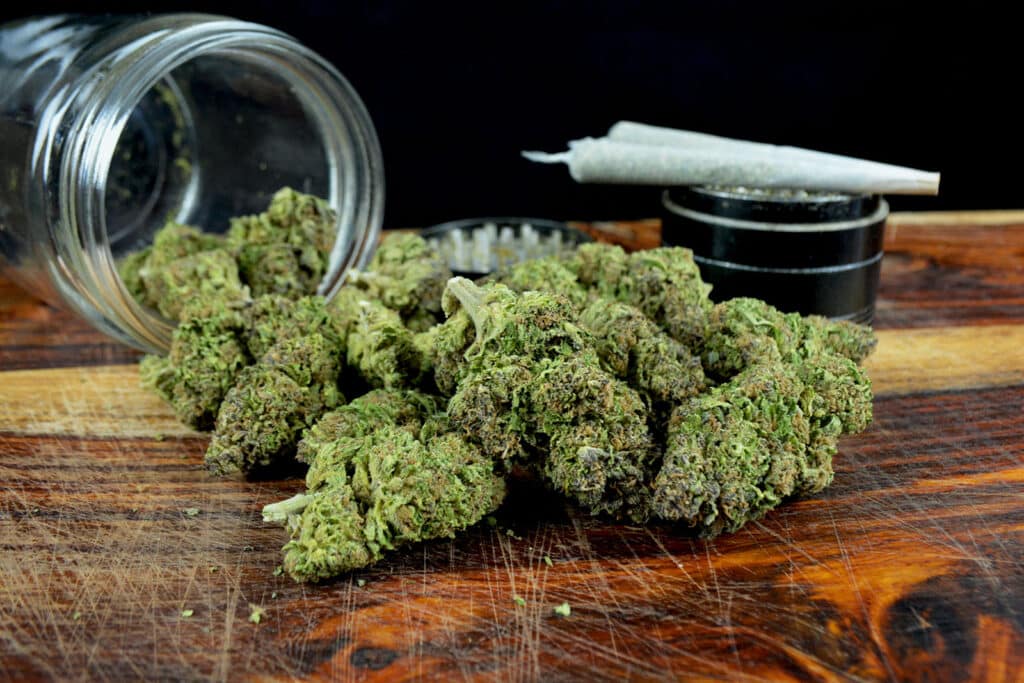
THC, or tetrahydrocannabinol, is the active ingredient that produces the marijuana high. Other similar labels exist too, including Ghana Loud and Canadian Loud. All are highly potent due to the higher THC content.
From there, the label seems to have taken on a life of its own in the unregulated market, quickly gaining popularity in various cannabis communities. The phrase even crossed over into the hip-hop scene, where it was used as a song title by one rapper.
Regardless of the branding, the danger is in the THC concentration. Scottish Loud is simply very strong marijuana, and that’s exactly what makes it harmful.
How Potent Is Loud Marijuana?
Cannabis today is much stronger than it was decades ago.
In the 1990s, average marijuana contained about 4% THC. Many modern strains now regularly contain 25% THC, and some concentrates go much higher.
Loud cannabis usually means top-shelf (and more expensive) marijuana. For instance, Scottish Loud is easily within the 20–30% THC range.
Needless to say, stronger marijuana affects the brain more intensely. It can cause:
- Faster intoxication
- More severe psychological effects
- Greater risk of dependency

What Are the Dangers of Scottish Loud?
Dry mouth, dizziness, and increased appetite are familiar side effects of marijuana. While these symptoms are mild, Scottish Loud presents much greater danger. Let’s take a look at these significant health risks:
1. Increased Anxiety and Panic Attacks
One of the adverse effects of strong cannabis is acute anxiety.
A 2023 study observed increased ER visits after marijuana legalization in Michigan. About 17% of these patients sought treatment for anxiety-related symptoms, which included panic attacks, manic/aggressive behavior, and hallucinations.
Cannabis has been used recreationally for relaxation or euphoria. So why the opposite effect?
In small amounts, THC can help people feel calm or even happy. However, high-grade weed like Scottish Loud contains so much THC that it overstimulates the brain.
That said, individual factors also play a role. Someone new to cannabis, already feeling stressed, or sensitive to THC may be more likely to experience anxiety.
2. Psychosis
Psychiatric admissions are also on the rise. More than 1 in 100 “super weed” users now experience psychotic episodes. Psychosis involves hallucinations, delusions, and paranoia; in short, losing touch with reality.
Research suggests that young adults are more vulnerable to these effects. Early onset of use is a major risk factor; specifically, younger users have twice the risk of developing schizophrenia later in life. Mental health conditions can further worsen these outcomes.
3. Addiction and Cannabis Use Disorder
A lot of people still believe marijuana isn’t addictive. The reality is quite the contrary. In fact, 3 of 10 marijuana users in the U.S. develop cannabis use disorder (CUD).

Higher THC increases this risk. The stronger the effect, the more likely the brain begins to associate cannabis with reward and relief, leading to dependency.
Signs of CUD include:
- Using cannabis every day or multiple times a day
- Using more to achieve the same high
- Difficulty cutting back
- Feeling unable to relax without it
- Struggling with school, work, or responsibilities
- Conflict with family or friends about marijuana use
4. Memory and Cognitive Problems
Cannabis affects the hippocampus, the brain region involved in learning and memory. Users often experience immediate forgetfulness, slowed reaction times, and difficulty maintaining concentration. These effects can interfere with school or job performance.
Regular use of Scottish Loud can lead to a gradual decline in attention span and loss of motivation. Long-term heavy use may also impact brain development in adolescents.
5. Stronger Withdrawal Symptoms
Withdrawal is often what prevents people from quitting. The symptoms can be uncomfortable enough for some people to immediately return to using.
When someone regularly uses strong marijuana, the brain begins adjusting to those high levels of THC. Over time, the body becomes used to the substance being present. Stopping abruptly is what triggers these withdrawal symptoms:
- Irritability
- Trouble sleeping
- Mood swings
- Restlessness
- Poor appetite
Fortunately, unlike some other substances, withdrawal from cannabis is rarely life-threatening. Recovery is entirely possible through professional marijuana addiction treatment.
Why Street Labels Are Misleading
Another challenge is that terms like Scottish Loud aren’t standardized. Unlike regulated cannabis, street names for marijuana don’t guarantee a specific chemical composition.
Two products sold under the same name might have completely different THC levels. As a result, users often have no reliable way of knowing what they’re actually consuming.

Final Thoughts
The “Scottish Loud” label is designed to sound exciting. In reality, it just means a stronger marijuana strain with a higher chance of unwanted effects.
If you’ve noticed that marijuana use is starting to interfere with your mood, focus, or daily life, seeking professional help is a vital step forward. Detox, therapies, and structured support are available; you only need to reach out.
Contact us today so we can discuss these treatment options with you.
FAQs
What is Canadian Loud?
What is Ghana Loud?