Pre-employment drug testing is one of the most common steps in the hiring process. Employers use these screenings to promote workplace safety, reduce liability related to substance abuse, and confirm that new hires are fit for the job. But what happens if you had a few drinks the night before your test?
This article explains what pre-employment drug tests screen for, how the presence of alcohol is detected, the science behind alcohol metabolism and metabolites like EtG and EtS, and whether drinking alcohol the night before could put your conditional offer of employment at risk.
What Is a Pre-Employment Drug Test?
A pre-employment drug test is a screening conducted after a conditional offer of employment but before a new hire’s start date. It is designed to detect the presence of illicit drug use or misused prescription medications in a candidate’s system.
Pre-employment drug testing is especially common in regulated industries, safety-sensitive positions, and roles governed by the U.S. Department of Transportation (DOT). Many private employers also include drug screening as part of their standard background checks, even when not required by employment drug testing laws.
Candidates are typically required to provide written consent before the test is administered. The scope of what is tested depends on the employer’s written policy and procedure, industry regulations, and whether the role falls under federal or state oversight.

What Substances Are Screened on a Standard Drug Panel Test?
Most employers use a standard 5-panel urine drug test, which screens for THC (marijuana, cannabinoids, hashish), cocaine (crack, coke), amphetamines (methamphetamine, ecstasy, speed), opiates and opioids (heroin, morphine, codeine, oxycodone), and phencyclidine (PCP, angel dust).
Expanded drug panel tests (7-panel, 10-panel, or 12-panel) may also screen for benzodiazepines, barbiturates, methadone, propoxyphene, and alcohol (EtG/EtS or EtOH).
Alcohol is not included on a standard 5-panel drug test. It is typically added only when the employer has a specific drug and alcohol policy that includes drug and alcohol prohibitions, when the role is DOT-regulated, or when the position is classified as safety-sensitive.
Is Alcohol Included in a Pre-Employment Drug Test?
In most cases, no. Standard pre-employment screenings focus on illicit substances, not alcohol. However, alcohol testing may be added in several situations. Employers who enforce a zero-tolerance policy outlined in a drug-free workplace statement often include it, as do organizations with roles that fall under DOT drug panels or federal drug-free workplace requirements. Positions involving safety-sensitive duties such as transportation, healthcare, or heavy equipment operation frequently require alcohol screening, as do any tests administered as part of a return-to-duty or post-accident drug test protocol. Finally, employers that use expanded panels will often include alcohol metabolites by default.
If you are unsure whether your pre-employment screening includes alcohol, ask your human resources department or the hiring manager before your test date.
When Are Drug Tests Administered Beyond Pre-Employment?
Pre-employment screening is the most common type of workplace drug test, but it is not the only one. Understanding the broader context helps explain why certain tests are more sensitive than others.
Employers may also require:
- Random drug testing: Unannounced tests given to employees selected without advance notice, common in DOT-regulated and safety-sensitive roles
- Reasonable suspicion drug testing: Administered when a supervisor observes signs of impairment or substance use on the job
- Post-accident drug tests: Required after a workplace incident to determine whether drug use or alcohol were contributing factors
- Return-to-duty drug tests: Required before an employee can resume work after a positive test or completion of an addiction treatment or drug rehabilitation program
- Follow-up drug screens: Periodic drug screening conducted after an employee returns to duty to confirm ongoing compliance
- Scheduled tests: Pre-arranged screenings, sometimes part of annual physicals or periodic reviews
Each of these testing scenarios may include alcohol screening depending on the employer’s policy and the circumstances involved.
How the Drug Testing Process Works
When you arrive at a collection site for your pre-employment drug test, the process typically follows a standard set of procedures. For urine drug testing (the most common method), you will provide a urine sample under controlled conditions. The collection site staff will verify your identity, explain the process, and ensure the sample has not been tampered with. The sample is then sent to a state-certified laboratory for analysis.
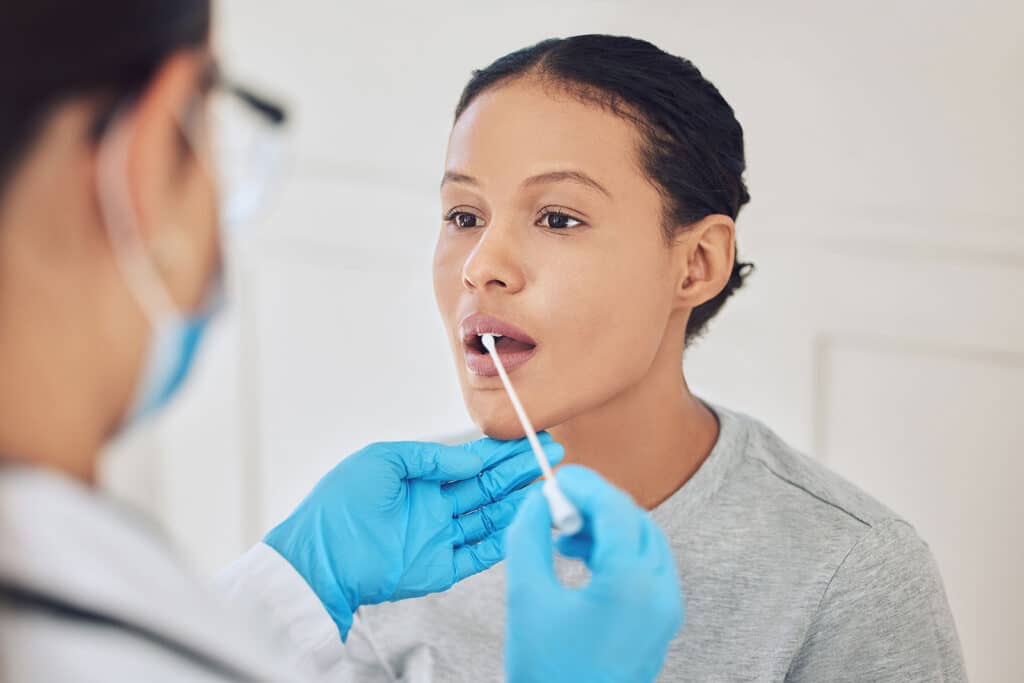
Other testing methods are used depending on the employer’s protocol and what they need to detect. Blood tests draw a blood sample to detect recent substance use and have a shorter detection window than urine. Hair follicle tests analyze a small hair sample to detect substance use over the past 90 days, which makes hair follicle drug testing well suited to identifying chronic use patterns rather than recent, one-time drug use. Saliva tests use a mouth swab to detect recent drug or alcohol use, typically within 24 to 48 hours. Breath drug testing uses a breathalyzer machine to measure blood alcohol concentration (BAC) at the time of testing. Sweat drug testing is a less common method that uses a patch worn on the skin over several days to detect substance use.
At-home drug tests are also available over the counter and can give candidates a preliminary sense of whether common substances may be detected. However, at-home tests are not as accurate as laboratory-based screenings and should not be relied on as a substitute for the official test.
How Long Does Alcohol Stay Detectable?
Alcohol detection windows vary depending on the type of drug test used:
| Test Type | Detection Window After Last Drink |
|---|---|
| Breathalyzer test | 12 to 24 hours |
| Urine alcohol test (EtOH) | Up to 12 to 24 hours |
| EtG urine test (ethyl glucuronide) | Up to 80 hours |
| EtS urine test (ethyl sulfate) | Up to 48 to 72 hours |
| Blood drug test | Up to 12 hours |
| Hair follicle drug testing | Up to 90 days (chronic use) |
| Saliva test | Up to 24 to 48 hours |
How much alcohol you consumed, how quickly your body processes it, and the testing method all influence these windows. If your employer uses EtG or EtS urine testing, even moderate drinking two or three days before the test could produce a positive result.
What Are EtG and EtS?
EtG (ethyl glucuronide) and EtS (ethyl sulfate) are alcohol metabolites: byproducts your liver produces during alcohol metabolism when it breaks down ethanol. Unlike a breathalyzer, which measures BAC, EtG and EtS testing detects whether alcohol was consumed days earlier.
These metabolites are not influenced by BAC or how sober you feel at the time of testing, which means that even if you’ve been sober for a full day or more, a urine sample can still reveal recent drinking alcohol patterns. EtG tests are extremely sensitive and are commonly used to monitor substance use in recovery programs, court-ordered compliance, and workplace zero-tolerance policies. They are also a standard tool in many addiction treatment aftercare protocols.
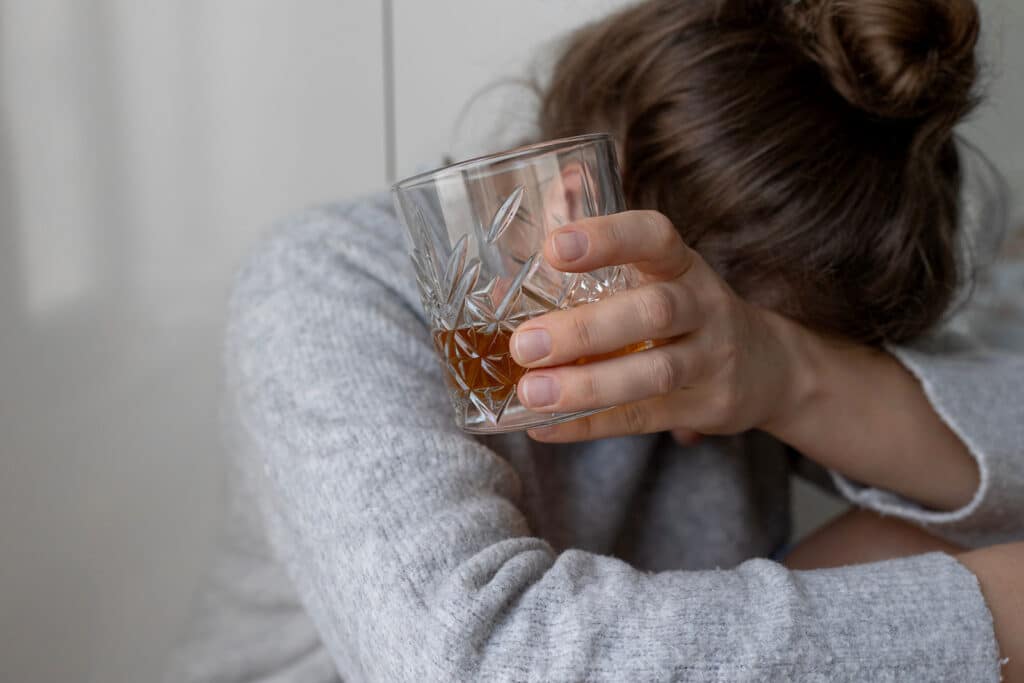
How Much Alcohol Is Too Much Before a Drug Test?
There is no universally safe amount of alcohol to consume before an EtG or EtS test, but context helps. A standard drink in the United States contains roughly 14 grams of pure alcohol: a 12-ounce beer at 5% ABV, a 5-ounce glass of wine at 12% ABV, or a 1.5-ounce shot of distilled spirits at 40% ABV. Light to moderate consumption of one or two standard drinks may clear detection thresholds faster than heavier drinking, but individual alcohol metabolism varies based on body weight, liver function, hydration, and other factors.
Binge drinking (generally defined as four or more drinks for women or five or more for men within about two hours) produces significantly higher EtG levels and a longer detection window, sometimes pushing past the typical 80-hour mark. If your test is scheduled within the next three to four days, the safest approach is to avoid drinking alcohol entirely.
Can You Detox or Flush Alcohol Before a Drug Test?
Many people search for ways to “detox” or beat a drug test. The reality is less forgiving. Hydration may dilute urine concentration, but it will not eliminate EtG or EtS metabolites, and labs specifically screen for diluted samples. Time is the only reliable factor in clearing alcohol from your system, because alcohol metabolism happens at a fairly fixed rate that supplements and flush products cannot accelerate. No over-the-counter product reliably removes EtG before testing, regardless of marketing claims. Attempting to falsify a drug test or deliberately dilute your sample may result in a retest, disqualification, or withdrawal of your job offer, and is often treated as a refusal to test.
Could Drinking the Night Before Cause a False Positive or False Negative?
If alcohol metabolites are detected, the result usually reflects actual drinking alcohol rather than a false-positive result. That said, certain substances can produce trace amounts of alcohol on breath tests, including mouthwash containing alcohol, cold medications with alcohol-based ingredients, and fermented foods or kombucha. (Poppy seeds are a separate concern tied to opiate false positives rather than alcohol.) These traces are usually below the test’s cutoff threshold and would not trigger a positive on an EtG or EtS urine test.
A false-negative result, where alcohol use goes undetected, can also occur if the detection window has passed or if the test method used is not sensitive enough to pick up low-level metabolites. If you believe your result is inaccurate, you have the right to challenge your results through the review process described below.
What Happens If You Test Positive for Alcohol?
Understanding the consequences of a positive drug or alcohol test is important for anyone going through the hiring process. If your pre-employment drug test returns a positive result for alcohol, the process typically follows three steps.
First is the confirmation screen. A positive result on an initial drug test is usually followed by a confirmatory test. This confirmation screen uses a more precise method, often gas chromatography/mass spectrometry (GC/MS testing), to verify the result and rule out false-positive results. The confirmatory test compares the sample against a specific reference range and threshold to determine whether the substance is present at a reportable level.
Next is the medical review officer (MRO) review. Many employers route positive results through a medical review officer. The MRO reviews the test findings, checks for valid medical records and prescriptions that could explain the result, and may contact the candidate before reporting a confirmed positive to the employer.
Finally, the employer makes a decision. A confirmed positive result can lead to withdrawal of the conditional offer of employment, an offer of retesting at a later date, referral to an employee assistance program or addiction treatment resources, or outright disqualification from the hiring process. A refusal to test, whether by failing to show up, attempting to tamper with the sample, or declining to provide consent, is generally treated the same as a positive result.
Employer responses vary based on company policy, industry-specific laws, and applicable federal and state regulations. Confidentiality and recordkeeping requirements also apply. Your test results are considered part of your medical records and are subject to privacy protections, and employers cannot use test results to discriminate based on protected characteristics unrelated to the job.
Legal and Regulatory Context
Pre-employment drug testing is governed by a mix of federal and state laws, and a few key pieces of legislation shape how the process works. The Drug-Free Workplace Act of 1988 requires certain federal contractors and grantees to maintain drug-free workplace programs, and the Omnibus Transportation Employee Testing Act of 1991 mandates drug and alcohol testing for safety-sensitive transportation roles. The U.S. Department of Labor provides guidance on workplace drug testing through its drug-free workplace advisor resources, and for commercial drivers and other DOT-regulated roles, the National Drug and Alcohol Clearinghouse maintains records of drug and alcohol violations.
State laws on employment drug testing vary widely. Some states restrict when and how employers can test, while others give employers broad discretion. All laboratory testing must be conducted at a state-certified laboratory to be considered valid, and industry-specific laws may impose additional requirements depending on the sector. If you have questions about the legality of your test or your rights as an applicant, consult with legal counsel or review your state’s employment drug testing laws.
Final Thoughts: Can You Drink the Night Before a Pre-Employment Drug Test?
The short answer depends on what your employer is testing for. For a standard 5-panel drug test, occasional drinking alcohol the night before is unlikely to affect your results, since alcohol is not part of that panel. If the screening includes EtG or EtS alcohol testing, you should avoid alcohol for at least 72 to 80 hours before the scheduled test, and longer if your most recent session involved binge drinking. For safety-sensitive or DOT-regulated positions, avoiding alcohol entirely in the days leading up to your pre-employment screening is the only fully reliable approach. When in doubt, ask your employer or healthcare provider about their specific testing protocols.
A night out is not worth the risk of losing a job opportunity, especially when your drug test results are tied to workplace safety, compliance regulations, or a conditional offer of employment.