You probably already have an idea of what bipolar disorder is, but once you understand its full spectrum, you’ll see how it can make life harder and lead to decisions that take years to undo.
When you’re moving between the highs of mania and the lows of depression, a substance use disorder is one of the long-term complications you may encounter. Add the anxiety that often comes along with it, and you can end up in a difficult cycle of suffering.
Fortunately, it doesn’t have to stay this way, and you can regain control of your life. Doing that comes down to three things: identify, understand, and treat. This guide walks through all three.
What Is Bipolar Disorder?
Bipolar disorder, as defined by the Diagnostic and Statistical Manual of Mental Disorders (DSM-5), is a condition characterized by extreme mood swings, including manic symptoms (mania and hypomania) and depressive episodes.
These fluctuations can contribute to impulsive behavior, including alcohol use disorder or substance misuse, as people attempt to self-medicate or cope with their symptoms.
This dual diagnosis is often referred to as co-occurring bipolar disorder, and it requires specialized care that addresses both conditions at once, but we’ll get to the treatment part later.
As you can see, bipolar disorder is more than just mood swings. It’s a complex mental illness that can turn your world upside down without warning.
Plus, unlike everyday ups and downs, the mood episodes in bipolar disorder can be overwhelming and life-altering. They affect more than how you feel. They can reach into your relationships, your ability to work, and even your capacity to take care of yourself.

Types of Bipolar Disorder
Bipolar disorder isn’t one-size-fits-all. It comes in several forms, each with its own pattern:
Bipolar I Disorder
This type includes at least one manic episode lasting a week or longer, which may or may not be followed by depressive episodes. During mania, you might feel:
- Intensely happy, excited, or restless
- Like your thoughts are racing faster than you can speak them
- Little need for sleep yet boundless energy
- Unstoppable, with grand plans and ideas
- More impulsive, with poor judgment
- Drawn to risky behaviors
In severe cases, you might experience psychosis—seeing or hearing things that aren’t there.
Bipolar II Disorder
This version features hypomanic episodes (less severe than full mania) and depressive episodes. It’s no less serious, just different in how it presents itself.
Cyclothymic Disorder
This one involves numerous periods of hypomanic and depressive symptoms that last for at least two years, creating a chronic roller-coaster of emotions.
Rapid Cycling
Some people also experience mixed episodes, where symptoms of mania and depression occur at the same time. Feeling energized yet deeply sad at once is a particularly difficult combination.
During depressive episodes, the world can seem impossibly dark. You might feel overwhelming sadness, hopelessness, fatigue, and sleep problems. Some people experience thoughts of suicide during these times.
Some people also face mixed episodes, where symptoms of both mania and depression happen at the same time. You know your mental health took a hit when you’re feeling energized yet deeply sad, a particularly difficult combination.

What Causes Bipolar Disorder?
While we don’t have all the answers, research points to a mix of biological, genetic, and environmental factors.
Genetic Factors
Bipolar disorder tends to run in families. Estimates vary across studies, but having one parent with bipolar disorder is generally associated with a meaningfully increased risk, often cited in the range of roughly 10 to 25%.
If both parents have the condition, this risk increases significantly. No single “bipolar gene” exists—instead, multiple genes likely work together to increase susceptibility.
Brain Chemistry and Structure
Three key brain chemicals, norepinephrine, serotonin, and dopamine, play major roles in mood regulation and are linked to bipolar disorder. These neurotransmitters help nerve cells communicate in brain circuits that control emotions, pleasure, reward, and decision-making.
Serotonin affects numerous body functions including sleep, appetite, impulsivity, and mood. Abnormal functioning in brain circuits involving serotonin contributes significantly to mood disorders like bipolar disorder and depression.
Childhood Trauma and Psychological Factors
Significant emotional distress or trauma during childhood may contribute to developing bipolar disorder. Childhood trauma can affect how we regulate emotions, potentially making us more vulnerable to mood disorders later in life.
Traumatic experiences that may increase risk include:
- Neglect or abandonment
- Sexual, physical, or emotional abuse
- Witnessing violence or experiencing other traumatic events
- Early loss of a parent or caregiver
These adverse childhood experiences can alter brain development and stress response systems, creating lasting changes that increase vulnerability to bipolar disorder.
Stressful Life Events as Triggers
While stressful events typically don’t cause bipolar disorder on their own, they often trigger the first symptoms or subsequent mood episodes in people who are already predisposed.
Common triggers include:
- Relationship problems or breakups
- Financial difficulties
- Losing a loved one
- Experiencing abuse or harassment
- Major life transitions (moving, starting college)
- Work or school pressure
- Significant change or uncertainty
It’s interesting how many people with bipolar disorder can trace their first symptoms to times of intense stress or major life changes. Ongoing stress can also worsen symptoms and trigger new mood episodes, even in people whose condition was previously stable.
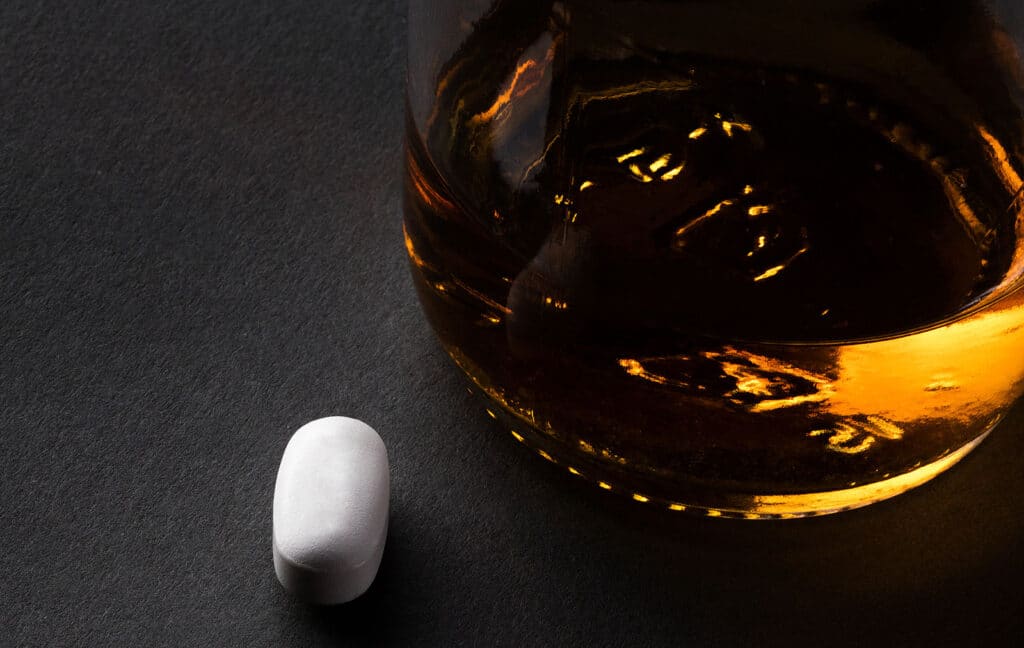
When Bipolar Disorder and Substance Abuse Collide
The connection between bipolar disorder and substance use disorders (SUDs) is comorbid, goes both ways and unfortunately, is quite common.
Research consistently shows that people with bipolar disorder have much higher rates of substance abuse compared to the general population.
The Sobering Numbers
The statistics tell a concerning story. According to research summarized by the Heinz C. Prechter Bipolar Research Program, the lifetime prevalence of substance use disorders is at least 40% in people with bipolar I disorder.
In one large study of patients experiencing manic or mixed episodes, researchers found lifetime rates of 48.5% for alcohol use disorder, 36% for cannabis use disorder, 24.2% for cocaine use disorder, and 4.6% for opioid use disorder. These rates far exceed those in the general population, suggesting a meaningful link between the two conditions.
These rates far exceed those in the general population, suggesting a meaningful link between these conditions.
Why They Often Go Hand-in-Hand
Several factors explain why bipolar disorder and substance abuse frequently occur together:
Self-Medication
Many people with bipolar disorder turn to substances to ease difficult symptoms, such as alcohol to quiet racing thoughts during mania, or stimulants to push through the fatigue of depression. The self-medication model is one widely discussed explanation, and while substances may offer temporary relief, they tend to worsen the underlying condition over time.
While this may provide temporary relief, self-medicating ultimately makes the condition worse.
Shared Brain Chemistry
Both bipolar disorder and substance use disorders affect similar brain chemicals and pathways.
Dopamine, which regulates pleasure and reward systems and is involved in bipolar disorder, is also the primary neurotransmitter affected by most addictive substances.
This biological overlap helps explain why those with one condition are vulnerable to the other.
Impaired Judgment During Mania
During manic episodes, impulse control and judgment decrease significantly, potentially leading to drug use or drinking that might not happen when in a more stable state.
Shared Genetic Vulnerability
Some research suggests that bipolar disorder and addiction may share certain genetic risk factors, creating a predisposition to both conditions.
The Dangers of Dual Diagnosis
When bipolar disorder and substance use disorders occur together, the consequences can be severe:
- More frequent and intense mood episodes
- Decreased treatment effectiveness
- Lower quality of life
- Increased suicidal behavior
- More hospitalizations
- Poorer overall outlook
This dangerous combination creates a vicious cycle. Substance use worsens bipolar symptoms, which may then drive increased substance use as a coping mechanism.
Breaking this cycle requires integrated treatment that addresses both conditions at the same time, typically combining mood-stabilizing medications, substance abuse treatment, and specialized therapy.

Bipolar Disorder and Addiction Treatment
When bipolar disorder and addiction collide, they can make the path to recovery feel overwhelming. But with the right treatment plan, healing is possible.
At Recreate Behavioral Health Network (RBHN), we specialize in addressing co-occurring bipolar disorder and substance misuse, offering evidence-based care tailored to each individual’s unique needs.
Our comprehensive approach ensures that both mental health conditions and drug abuse are treated simultaneously, providing the best chance for lasting recovery.
Our Evidence-Based Treatment Options
We prioritize evidence-based therapies that have been proven effective in treating mental health disorders and addiction. Our treatment options include:
Cognitive Behavioral Therapy (CBT)
CBT is a cornerstone of our approach, helping individuals identify and change negative thought patterns that contribute to both bipolar disorder and substance misuse.
When you address the root causes of these behaviors, CBT helps you develop healthier coping mechanisms.
Medication-Assisted Treatment (MAT)
MAT can be a game-changer for those struggling with alcohol use disorder or opioid addiction along with bipolar disorder.
Medications like naltrexone or lithium (commonly used to stabilize mood in bipolar disorder treatment) are integrated into personalized treatment plans to manage cravings and stabilize mood.
Holistic Therapies
We complement traditional therapies with holistic approaches such as mindfulness, yoga, and art therapy.
These modalities address the emotional and psychological aspects of recovery, promoting overall well-being.
Psychiatry and Medication Management
Our team of health professionals, including board-certified psychiatrists, ensures that each client receives the appropriate medications, such as antipsychotics or mood stabilizers, to manage symptoms of bipolar disorder effectively.
A Full Continuum of Care
Mental recovery isn’t a textbook approach. You don’t take one medicine to treat a certain condition and be done with it.
That’s why RBHN offers a full continuum of care, from inpatient detoxification to outpatient programs and long-term alumni support.
Here’s how our services align with the needs of individuals with co-occurring bipolar disorder and addiction:
Inpatient Treatment
For those experiencing severe manic symptoms or acute substance misuse, our inpatient programs provide a safe, structured environment where clients can focus entirely on their recovery.
Outpatient Programs
Our outpatient services, including Intensive Outpatient Programs (IOP) and Partial Hospitalization Programs (PHP), allow individuals to receive intensive therapy while maintaining their daily responsibilities.
Aftercare and Alumni Support
Recovery doesn’t end after treatment. Our alumni programs and teletherapy options ensure ongoing support, helping individuals navigate life’s challenges without resorting to drug abuse or other harmful behaviors.

Why Choose RBHN?
Accreditation and Quality Care
RBHN is accredited by The Joint Commission, a testament to our commitment to providing the highest standards of care. This accreditation ensures that our treatment options meet rigorous healthcare guidelines.
Compassionate, Experienced Staff
Many of our team members have personal experience with recovery, fostering an environment of empathy and understanding. Our health professionals are dedicated to helping clients reclaim their lives from mental health disorders and addiction.
Accessible and Affordable Treatment
Accreditation and Quality Care
RBHN is accredited by The Joint Commission, which means our programs are independently evaluated against established standards for safety and care quality. Accreditation is reviewed on an ongoing basis, not granted once and forgotten.
Experienced, Recovery-Informed Staff
Many of our team members have lived experience with recovery, which shapes how we work with clients day to day. Our clinical staff includes board-certified psychiatrists and licensed therapists who specialize in co-occurring mental health and substance use conditions.
Working With Your Insurance
We work with most major insurance plans and offer a straightforward verification process, so you can find out what your coverage includes before committing to a program.
A Path to Lasting Recovery
Living with bipolar disorder and addiction can feel isolating, but you don’t have to face it alone. We believe in treating the whole person—mind, body, and spirit.
Our evidence-based therapies, compassionate staff, and comprehensive treatment options provide the tools and support needed to achieve lasting recovery.
If you or a loved one is struggling with co-occurring bipolar disorder and addiction, reach out to Recreate Behavioral Health Network today. Let us help you go through the challenges of mental health disorders and substance misuse, and guide you toward a brighter, healthier future.