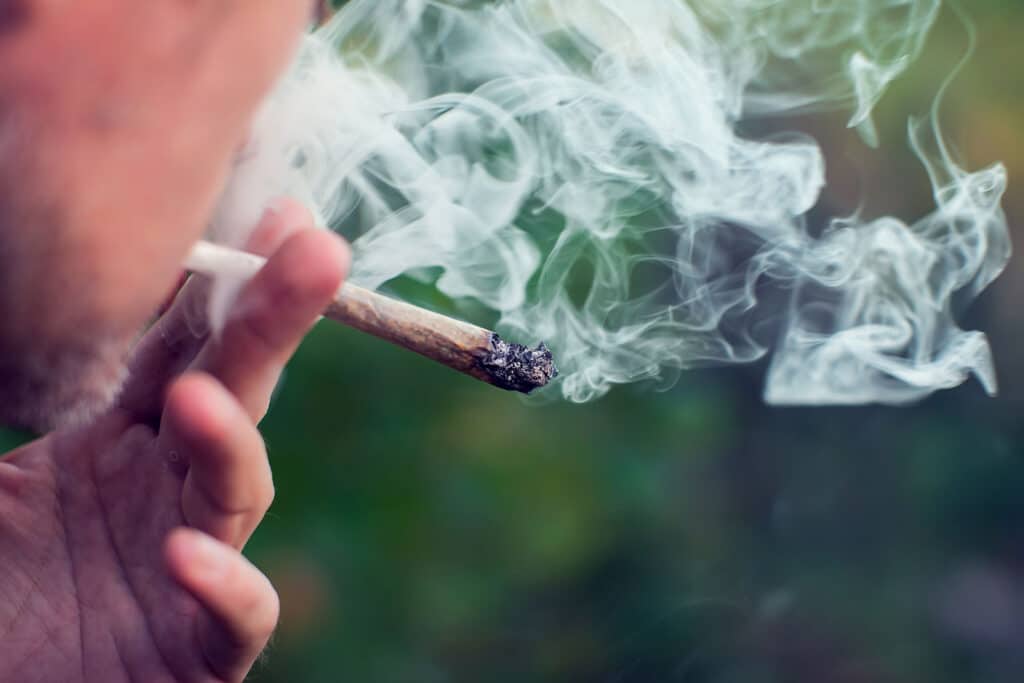
Whether you’re into skincare or general wellness, you probably heard about the negative effects of smoking cigarettes on your skin. This begs the question: Does smoking weed cause acne? Or is the skin damage limited to tobacco cigarettes?
While tobacco can directly impact your skin by reducing collagen production, cannabis smoke has its own effects on skin health. Cannabis can promote oxidative stress and hormonal imbalance, which may contribute to acne development in susceptible individuals.
In this article, we’ll tell you everything about the effects of marijuana on your skin. Keep reading to learn more.
Does Smoking Weed Cause Acne?
The short answer is: there’s no proven direct link. Current scientific research hasn’t established a direct causal relationship between smoking weed and acne. However, cannabis use can trigger several indirect factors—from hormonal fluctuations to behavioral changes—that may worsen existing acne or contribute to breakouts in people already prone to them.
Understanding these indirect connections can help you make informed decisions about your skin health and overall wellness.
You must also recognize the difference between smoking occasionally and frequently having weed in your system. That’s because tetrahydrocannabinol (THC) can have various effects on your body, including the skin, depending on its concentration.
Additionally, your approach to smoking and behavior while engaging in the activity will significantly affect your acne breakouts. It also depends on your complexion and any common skin conditions you might have.
For example, many people experience an increased appetite when smoking weed. These snacks typically include fried, salty, and carbohydrate-rich foods.
Medical research indicates that diets with a high glycemic load (sugar and simple carbs) are strongly linked to acne severity. So, you might mistake weed for being the direct culprit, when the real cause is the sugary snacks you consume while high.
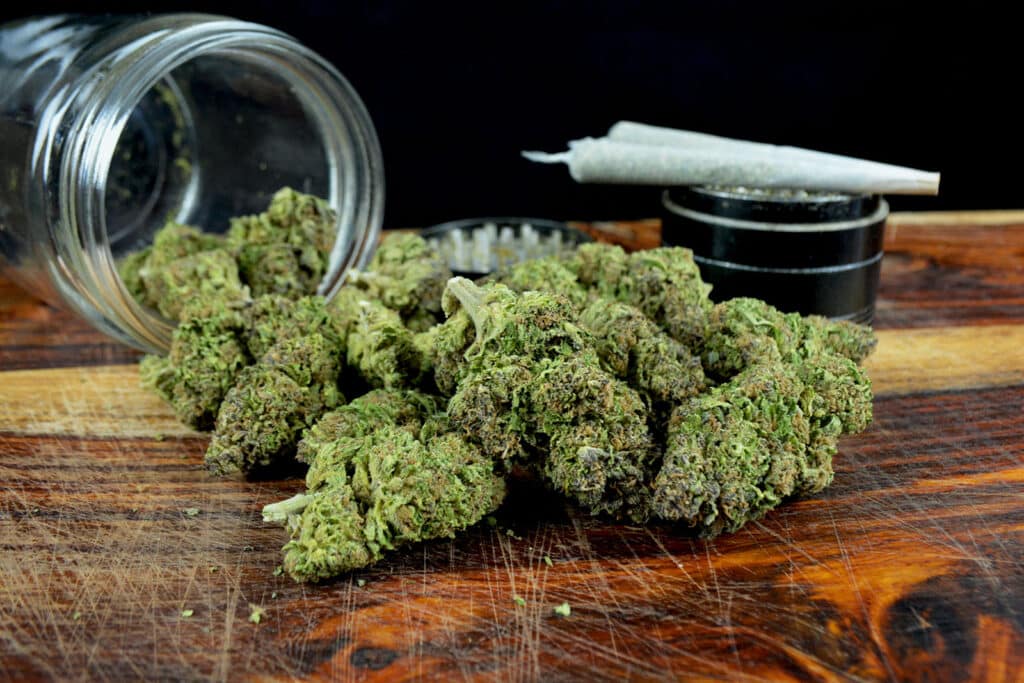
Weed’s Effect on the Skin
Weed doesn’t directly cause acne by itself. However, it triggers various physiological and behavioral changes throughout your body—and since your body functions as an interconnected system, disruptions in one area often manifest in your skin.
Below are the key mechanisms through which cannabis use may indirectly contribute to acne breakouts:
1. Free Radicals
When it comes to acne flare-ups, the most common cause is inflammation and oxidative stress. This is typically due to increased free radicals in your body, which make their way to the skin.
Well, there has been conflicting scientific evidence regarding the activity of weed. Some scientific research suggests that cannabis increases the production of free radicals and promotes oxidative stress. Others recognize the activity of THC and cannabinoids as powerful antioxidants.
Yet, this doesn’t account for the activity of smoking. Research from the University of South Carolina suggests that Cannabis use significantly suppresses the immune system. When your immune defenses are down, your skin struggles to fight off acne-causing bacteria and heal from existing breakouts.
What’s more, people who smoke weed usually use additives, such as tobacco. Not only does second-hand smoke cause skin inflammation, but these products also reduce your skin’s regenerative abilities, causing acne and aging.
When oxidative stress and inflammation increase throughout your body, your skin often becomes one of the first visible indicators—manifesting as redness, irritation, and acne breakouts.
2. Hormonal Changes
Weed has a huge influence on hormones. Depending on the amount ingested or smoked, cannabis can make your body produce less or more of certain hormones.
Naturally, any hormonal fluctuations will result in pimples. While effects vary by user, studies analyzing NHANES data have found that recent marijuana use is associated with elevated testosterone levels.
The oil production in the skin is mediated by testosterone. Under normal circumstances, the balance between estrogen and progesterone makes for a perfect complexion. However, a spike in testosterone can overactivate sebaceous glands, leading to increased oil and acne.
Alternatively, the elevated male hormone levels mean the overactivation of sebaceous glands, which then causes plenty of acne.
Keep in mind that this reaction might occur after frequent use of cannabis, or high doses.
These hormonal shifts create the perfect storm for acne: excess oil production meets disrupted skin cell turnover, leading to clogged pores and inflammatory breakouts.
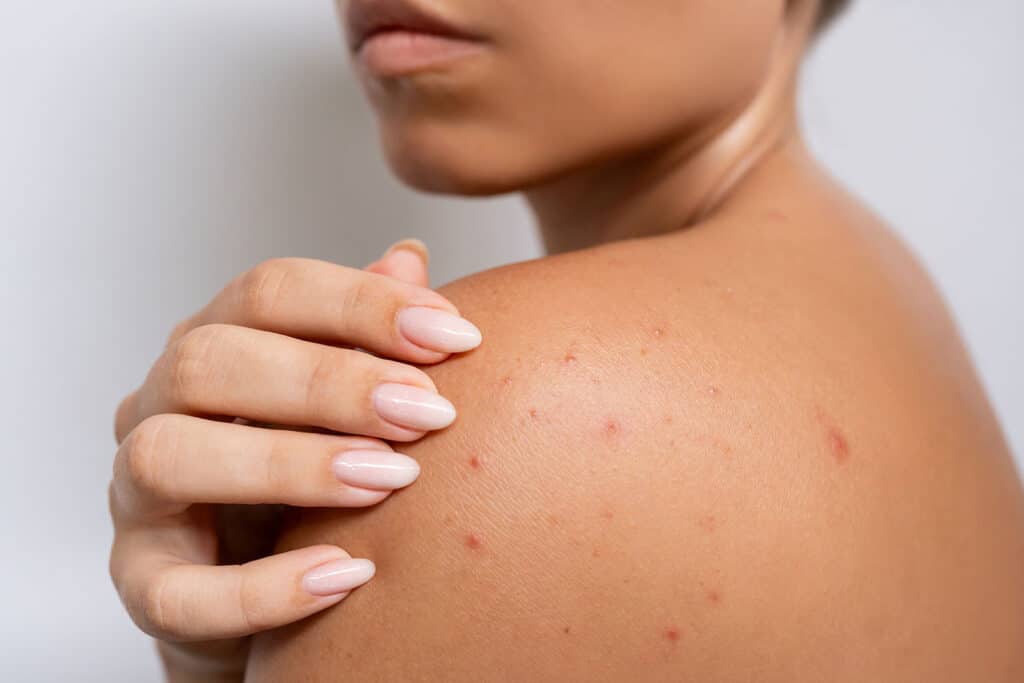
3. Second-hand Smoke
Simply being around someone smoking marijuana can cause a lot of damage to your body and skin. The reason is second-hand smoke. This culprit increases wrinkles in your skin by leading to permanent loss of collagen.
The smoke from weed cigarettes also exposes your skin to plenty of heat. Then, your skin will be more prone to inflammation. If you already have acne, the situation will definitely worsen.
Unfortunately, this doesn’t end by extinguishing the cigarette. Instead, smokers are left with third-hand smoke, which is just as harmful as second-hand smoke.
Third-hand smoke increases oxidative stress, as well as inflammatory biomarkers. It’s also a common cause of psoriasis, contact dermatitis, and flare-ups of other skin problems. For these reasons, cannabis smoke, whether first-hand, second-hand, or third-hand, may aggravate existing acne or trigger breakouts in those already susceptible.
Even if you’re not the one smoking, exposure to cannabis smoke can compromise your skin’s natural barrier function, making you more vulnerable to acne-causing bacteria and environmental irritants.
4. Behavioral Changes
There’s no denying that smoking weed causes behavioral changes. Furthermore, acne treatment isn’t a main priority when partaking in this activity.
Regular cannabis consumption can also lead to lasting changes in mood regulation and behavioral patterns. This can be anything from mood swings to addiction. In turn, the stress of battling with these conditions as well as the altered hygiene practices can indirectly influence acne.
That’s not all. Even smoking weed once or twice can alter your lifestyle in the following ways, which will then harm the skin:
- Unbalanced sleep patterns
- Increased cravings (munchies)
- Reduced coordination
- Lack of proper judgment
- Excessive skin picking
While these behavioral factors may seem disconnected from your skin, they create a cascade effect: poor sleep increases cortisol, unhealthy foods trigger inflammation, and neglected hygiene allows acne-causing bacteria to thrive.
5. Systemic Dehydration (Cottonmouth)
One of the most universal side effects of cannabis is “cottonmouth” (xerostomia). This isn’t just an annoying sensation in your mouth; it is a sign of systemic dehydration caused by THC binding to receptors in your salivary glands.
When your body is dehydrated, your skin suffers. Dehydrated skin sends a signal to your sebaceous glands to “seal in” moisture. The glands respond by overcompensating and producing excess oil.
This creates a paradox: your skin feels dry and tight, yet it is oily and breaking out. This environment is ideal for acne bacteria to thrive.
Furthermore, for long-term, heavy users, this dehydration can be exacerbated by Cannabinoid Hyperemesis Syndrome (CHS). This condition causes severe nausea and vomiting in chronic users, stripping the body of electrolytes and hydration, further damaging the skin barrier and triggering breakout cycles.
Other Influences Weed Can Have on Your Skin
If you’re concerned about your skin health, it’s worth considering how cannabis use may be affecting it. Still, some people might rave about the beneficial impact of weed on the skin.
They wouldn’t be particularly wrong. You must discern between cannabis extract and directly smoking weed, though. Here’s everything you need to know:
Stress Reduction
Acne flare-ups always get worse during stressful situations. The reason is elevated blood levels of cortisol, the stress hormone, paired with a faulty immune response. This causes more inflammation and overproduction of sebum.
One of the main reasons people consume cannabis is to reduce stress levels and help their mental health. Ultimately, this will decrease your cortisol levels.
However, it’s crucial to understand that the negative skin health effects of weed outweigh the benefits of stress reduction. The lowered cortisol levels will have a minimal effect compared to second-hand smoke and oxidative stress.
Additionally, while cannabis may provide temporary stress relief, developing sustainable stress management strategies, like mindfulness, exercise, or therapy, can support both your mental health and skin health in the long term.
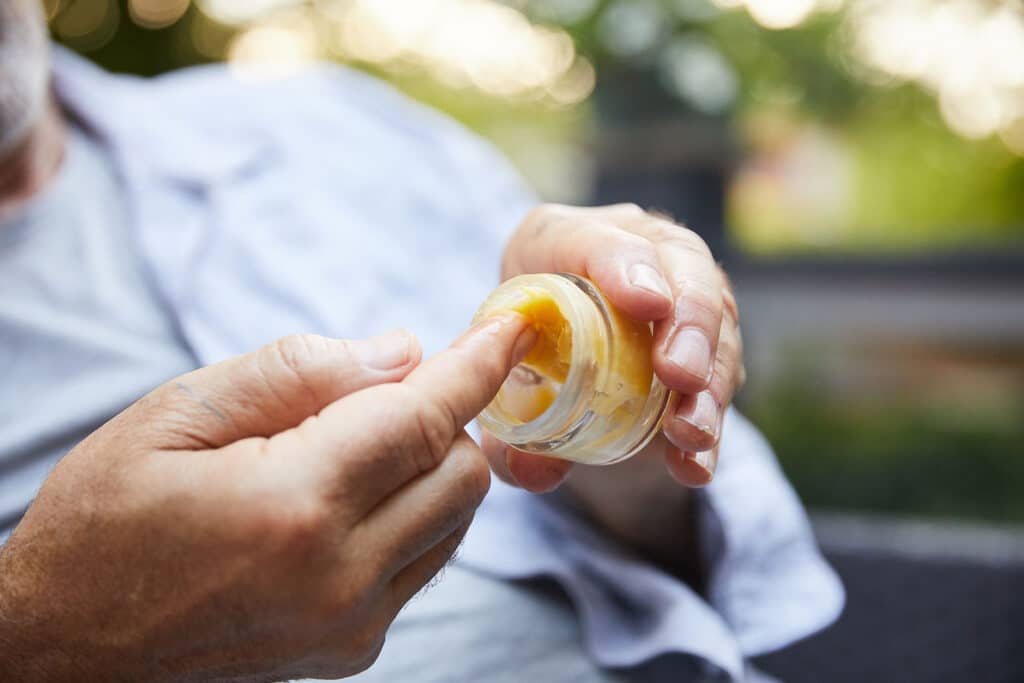
Topical Cannabidiol
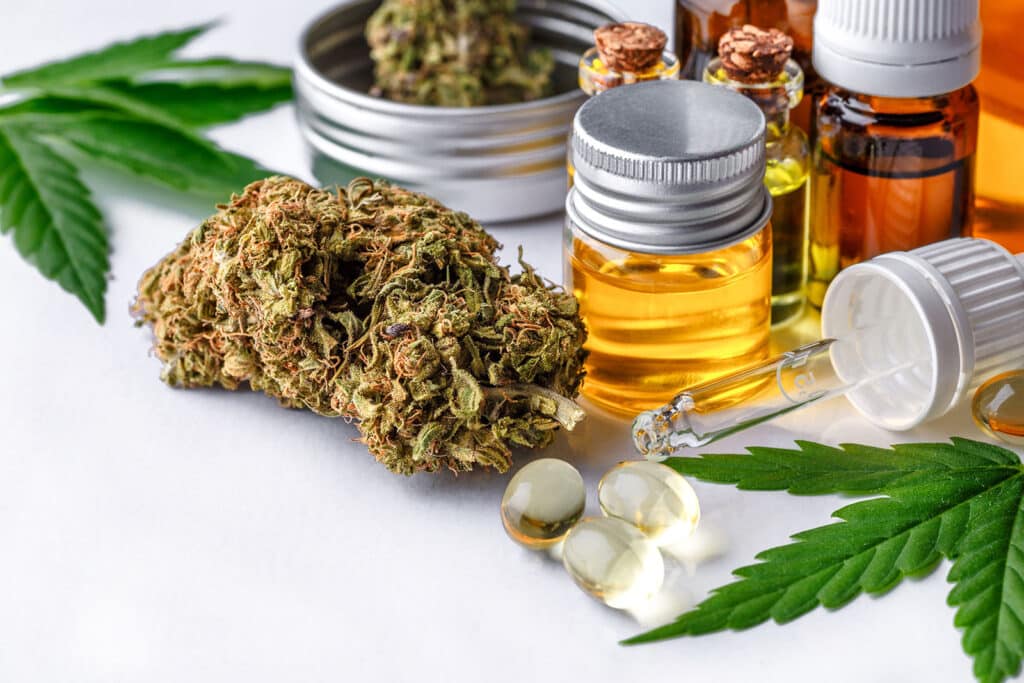
Numerous topical cannabis products have been shown to reduce inflammation and manage pain. These products have minimal systemic absorption, so there are almost no side effects.
This doesn’t mean topical CBD creams and lotions should replace dermatologic treatments for acne and other skin conditions. Additionally, smoking weed is vastly different from topical weed extract.
So, while many people struggling with marijuana use might argue that it’s beneficial for the skin due to its anti-inflammatory properties, the harms of smoking weed definitely outweigh the benefits.
Frequently Asked Questions
Does smoking weed cause cavities?
Will my skin improve if I quit smoking weed?
Does vaping weed affect skin differently than smoking?
Can edibles cause acne?
Is topical CBD safe for acne-prone skin?
How long after quitting will I see skin improvements?
Does marijuana affect skin conditions other than acne?

Wrapping Up
Does smoking weed cause acne?
In short terms, no. Smoking weed isn’t a direct cause of acne. However, you might notice some flare-ups after smoking cannabis.
Still, weed puts your body under a lot of stress. This includes free radical damage, hormone disruption, dehydration, and behavioral issues. It’s only natural that this also takes a toll on your skin.
Even being in the presence of smokers is sufficient enough to expose you to the harms of weed. The second-hand smoke can get into your system, resulting in dermatitis and skin inflammation.
Many people find that addressing cannabis use improves both their skin and overall wellbeing. If you or someone you care about is ready to explore addiction treatment options for cannabis use, Recreate Behavioral Health Network offers compassionate, evidence-based support tailored to your unique journey.