

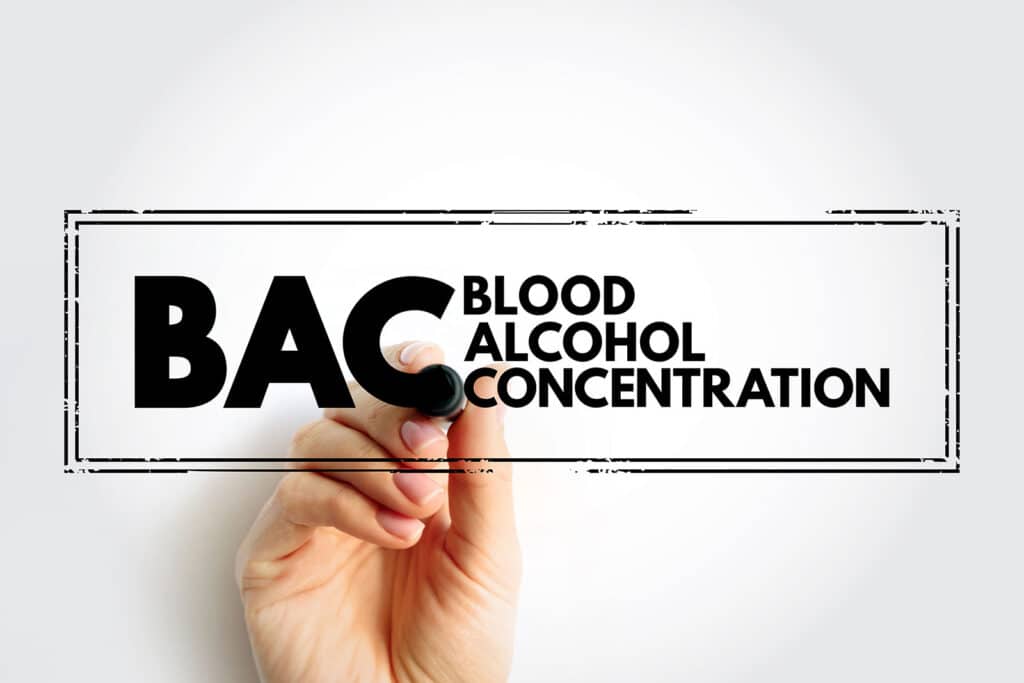
When we talk about being “three times over the legal limit” for alcohol, we’re typically referring to blood alcohol concentration (BAC), a measure of the amount of alcohol in a person’s bloodstream. BAC is commonly used to assess levels of impairment for drivers, with legal limits set in place to reduce the risk of accidents and injuries.
Understanding Blood Alcohol Concentration (BAC)
Blood Alcohol Concentration (BAC) is usually expressed as a percentage. For example, a BAC of 0.08% means that there are 0.08 grams of alcohol per 100 milliliters of blood. In many places, the legal BAC limit for driving is set at 0.08%. However, this limit can vary depending on the country or state, and for certain groups (like commercial drivers or underage drinkers), the limit may be even lower.

What Does “Three Times Over the Legal Limit” Mean?
If someone is three times over the legal limit, their BAC is three times the standard legal threshold. Using the common legal limit of 0.08% as a reference:
- One time over the legal limit: 0.08% BAC
- Two times over the legal limit: 0.16% BAC
- Three times over the legal limit: 0.24% BAC
A BAC of 0.24% means that there is 0.24 grams of alcohol per 100 milliliters of blood. This level of intoxication is extremely dangerous and significantly impairs a person’s motor skills, judgment, and reaction time.
Effects of a High BAC
When a person’s BAC reaches 0.24% or higher, they are likely experiencing severe impairment. The effects can include:
- Severe motor impairment: Difficulty walking, standing, or controlling movements.
- Significant cognitive impairment: Confusion, poor decision-making, and the inability to think clearly.
- Drowsiness or stupor: The person may become very sleepy, difficult to rouse, or even lose consciousness.
- Risk of alcohol poisoning: At such high levels, the risk of alcohol poisoning increases, which can lead to vomiting, unconsciousness, slow or irregular breathing, and even death.
- Increased risk of accidents: The likelihood of being involved in a serious accident, whether as a driver, pedestrian, or passenger, is extremely high.

Legal and Health Consequences
Being caught driving with a BAC that is three times over the legal limit is a serious offense. Legal consequences can include:
- Severe fines: Penalties can be substantial, often in the thousands of dollars.
- License suspension: A driver’s license may be suspended or revoked.
- Jail time: In many jurisdictions, a BAC this high can result in mandatory jail time, especially if it’s a repeat offense.
- Mandatory alcohol education or treatment programs: Offenders may be required to complete alcohol education or enter a treatment program.
- Permanent criminal record: Such a high BAC offense may result in a criminal record, affecting future employment and personal opportunities.
Beyond the legal consequences, the health risks associated with such a high BAC are profound. Long-term effects of heavy drinking can include liver damage, brain damage, heart problems, and an increased risk of certain cancers.

Prevention and Support for Alcohol Abuse
Understanding the dangers of excessive drinking is only part of the equation. Taking proactive steps to prevent alcohol abuse and knowing where to find help can make a significant difference for individuals and their families.
Recognizing the Signs of Alcohol Abuse
Alcohol abuse often develops gradually, making it difficult to identify without awareness of the warning signs. These can include drinking more than intended, being unable to cut back despite wanting to, neglecting responsibilities at work or home, and continuing to drink even when it causes relationship problems. Recognizing these patterns early is a critical first step toward getting help.
Resources for Getting Help
Several organizations and programs offer support for individuals struggling with alcohol abuse. Alcoholics Anonymous (AA) is one of the most well-known options, offering a 12-step program that provides a structured path to recovery through peer support and personal accountability. The Substance Abuse and Mental Health Services Administration (SAMHSA) also provides a free national helpline (1-800-662-4357) that offers referrals to local treatment facilities, support groups, and community-based organizations.
Rehabilitation programs range from inpatient facilities, where individuals stay on-site for an extended period, to outpatient programs that allow participants to maintain their daily routines while receiving treatment. Therapy and counseling, including cognitive behavioral therapy (CBT) and motivational interviewing, can also help individuals address the underlying causes of their drinking and develop healthier coping strategies.
Mandatory Treatment and Court-Ordered Programs
For individuals convicted of DUI offenses, courts may require mandatory alcohol treatment as part of sentencing. This can include alcohol education courses, participation in rehabilitation programs, or the installation of an ignition interlock device on the offender’s vehicle. These devices require the driver to pass a breathalyzer test before the car will start, serving as both a deterrent and a safety measure.
Preventing Future DUI Incidents
Avoiding a DUI starts with planning ahead. Designating a sober driver before going out, using a ride-share service like Uber or Lyft, or relying on public transportation are all practical ways to get home safely after drinking. Responsible behavior also means knowing your limits, pacing your drinks, and being willing to speak up when someone you care about is about to drive while impaired.
Building a support system that encourages accountability can also help. Whether that involves attending regular AA meetings, working with a therapist, or simply having honest conversations with friends and family, consistent support is one of the strongest safeguards against relapse and repeat offenses.
Conclusion
Being three times over the legal limit of alcohol is not just a minor infraction; it represents a level of intoxication that is highly dangerous to both the individual and those around them. Understanding the implications of BAC and recognizing the severe risks of excessive drinking is crucial for making informed, responsible decisions. Always prioritize safety and consider the far-reaching consequences of drinking beyond the legal limit.
FAQs
Is three times the legal alcohol limit considered high?
How much alcohol do you need to consume to be three times over the legal limit?