

In the quiet, sun-drenched streets of Boca Raton, where palm trees sway against blue skies and the Atlantic whispers just beyond the horizon, something extraordinary happens every day. Lives are reclaimed.
Behind discreet gates and serene residences, people who once felt trapped by addiction discover that hope is not an abstract wish. It has a physical location.
Residential addiction treatment in Boca Raton offers more than clinical care. It provides a complete environment for transformation.
This article explores what makes the Recreate Behavioral Health Network a beacon for so many seeking lasting recovery. Because when someone is ready to change, hope doesn’t just arrive. Sometimes, it has an address waiting for them.
What Is Residential Addiction Treatment?
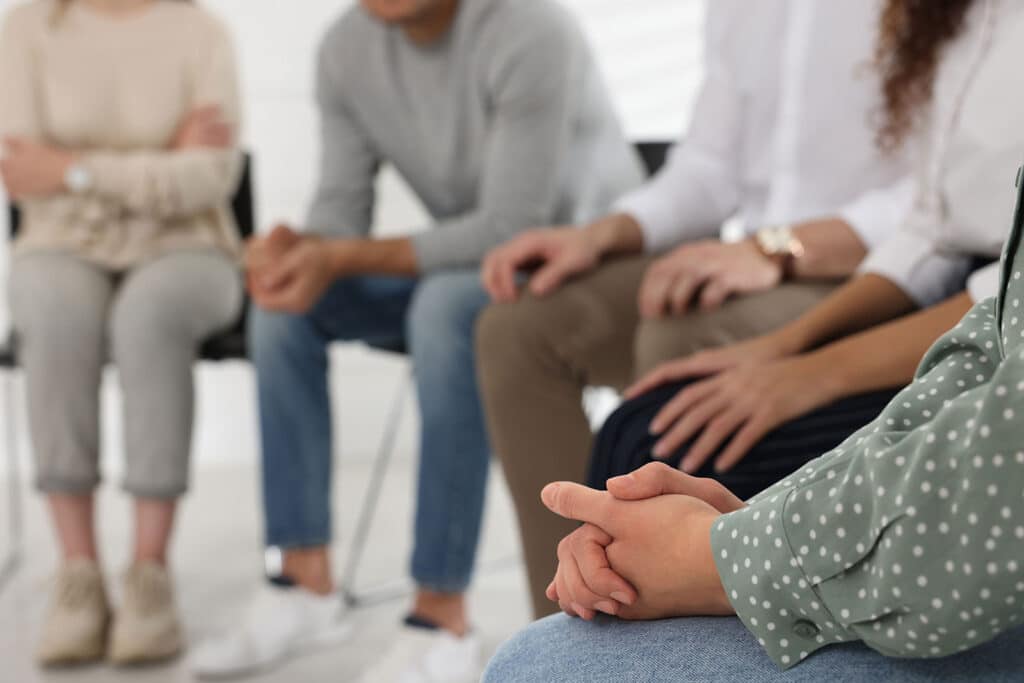
Residential addiction treatment, sometimes referred to as inpatient rehabilitation, is a structured, live-in program. It’s designed to help people suffering from addiction stabilize, recover, and develop the tools needed to maintain sobriety.
Unlike outpatient programs, residential treatment requires patients to stay at the facility for a set period, allowing them to step away from daily triggers and focus entirely on recovery.
How Residential Treatment Differs From Detox and Outpatient Care
Addiction treatment often involves multiple levels of care, each serving a specific purpose in the recovery process:
- Medical Detox: Detox focuses on safely managing withdrawal symptoms under medical supervision. While detox is a critical first step, it does not address the psychological or behavioral aspects of addiction.
- Residential Treatment: After detox, residential programs provide intensive therapy, psychiatric care, and structured daily routines in a controlled environment.
- Partial Hospitalization (PHP) and Intensive Outpatient Programs (IOP): These programs allow people to live at home while attending treatment sessions during the day or evening, typically after completing residential care.
Residential treatment stands out because it offers 24/7 support, continuous monitoring, and immersive therapy, which can be especially beneficial for people with severe substance use disorders or co-occurring mental health conditions.
Who Benefits Most From Residential Programs
Residential addiction treatment is often recommended for individuals who:
- Have moderate to severe substance use disorders
- Experience frequent relapses or have not responded well to outpatient care
- Have co-occurring mental health conditions such as depression, anxiety, PTSD, or bipolar disorder
- Live in environments that may trigger substance use or lack stable support
- Require medical detox and ongoing clinical monitoring
By providing a structured and supportive setting, residential programs help individuals focus on healing without the distractions and pressures of everyday life.

Conditions Requiring Residential Addiction Treatment
Residential treatment programs typically focus on substance use disorders and co-occurring mental health conditions.
Substance Use Disorders
Residential programs commonly treat a range of substance use disorders, including:
- Alcohol Use Disorder: Alcohol dependence can lead to serious health complications, including liver disease, cardiovascular problems, and cognitive impairment. Residential treatment provides medical supervision, therapy, and relapse prevention strategies tailored to alcohol-related challenges.
- Opioid Use Disorder: Opioids, including prescription pain medications, heroin, and synthetic opioids like fentanyl, pose a high risk of overdose and physical dependence. Residential programs often incorporate medication-assisted treatment (MAT), behavioral therapy, and medical monitoring to support recovery.
- Benzodiazepine Use Disorder: Benzodiazepines such as Xanax, Valium, and Ativan can cause dangerous withdrawal symptoms if stopped abruptly. Residential treatment ensures safe tapering, medical oversight, and therapy to address both physical dependence and psychological reliance.
- Stimulant Use Disorder: Stimulants like cocaine and methamphetamine can significantly impact mental health, leading to anxiety, paranoia, and mood disorders. Residential care focuses on stabilization, therapy, and long-term behavioral change.
- Polysubstance Use: Many people use more than one substance, which can complicate withdrawal and treatment. Residential programs provide comprehensive assessments and individualized treatment plans to address complex patterns of use.
Co-Occurring Mental Health Conditions (Dual Diagnosis)
Addiction often coexists with mental health conditions, making integrated treatment essential. Residential programs frequently address:
- Depression and mood disorders
- Anxiety disorders
- Post-traumatic stress disorder (PTSD)
- Bipolar disorder
- Trauma-related and stress-related disorders
Dual-diagnosis treatment combines psychiatric care, therapy, and medication management to address both addiction and mental health simultaneously.
Why Residential Addiction Treatment Is Often Necessary
Addiction is a complex medical and psychological condition that affects brain chemistry, behavior, and decision-making.
While some people may benefit from outpatient therapy or support groups, others require a higher level of care to achieve stability and begin meaningful recovery. Residential addiction treatment provides that level of structure, safety, and clinical support.

The Limits of Willpower and Outpatient Care
Many people assume that quitting substances is simply a matter of willpower. In reality, addiction alters the brain’s reward system, impulse control, and stress responses.
These changes can persist long after substance use stops, making relapse a real risk without proper treatment.
Outpatient programs can be effective for people with mild to moderate substance use disorders and stable home environments. However, outpatient care may not provide enough support for individuals who:
- Experience intense cravings or withdrawal symptoms
- Have co-occurring mental health conditions that require psychiatric care
- Live in environments where substances are readily available
- Struggle with consistent attendance or engagement in treatment
Residential treatment removes people from triggering environments and provides a structured daily routine, therapy, and medical supervision, which can significantly improve treatment outcomes.
When Residential Care Is Clinically Recommended
Healthcare professionals often recommend residential addiction treatment when a person’s condition requires continuous monitoring and intensive therapy. This may include situations where a person:
- Has a history of relapse after outpatient or previous treatment attempts
- Requires medical detox and ongoing stabilization
- Experiences severe mental health symptoms such as suicidal thoughts, psychosis, or severe mood swings
- Has an unstable or unsafe home environment
- Needs a highly structured setting to develop coping skills and healthy routines
By immersing patients in a therapeutic environment, residential programs create space for healing, learning, and rebuilding daily habits that support long-term recovery.

What Happens When Addiction Goes Untreated—or Is Treated Incorrectly
Choosing not to seek treatment or choosing a program that lacks proper accreditation, medical oversight, or evidence-based practices can have serious consequences.
Addiction is a progressive condition, and without appropriate care, symptoms and complications often worsen over time.
Physical and Mental Health Consequences
Untreated addiction can lead to a wide range of health complications, including:
- Organ damage: Liver disease, cardiovascular issues, respiratory problems, and neurological impairments are common with long-term substance use.
- Increased overdose risk: Especially with opioids and synthetic substances, the risk of fatal overdose rises significantly without treatment.
- Mental health deterioration: Anxiety, depression, paranoia, and mood instability can intensify, particularly when substances are used to self-medicate underlying conditions.
For people suffering from addiction and co-occurring mental health disorders, untreated symptoms can create a repeating cycle. It’s where mental health challenges drive substance use, and substance use worsens mental health symptoms.
Social, Financial, and Family Impacts
Addiction does not only affect the individual. It can ripple through families, workplaces, and communities. Without treatment, people may experience:
- Strained or broken relationships with loved ones
- Job loss, financial instability, or legal issues
- Social isolation and loss of support networks
Families often feel overwhelmed, unsure how to help, and concerned about their loved one’s safety.
Residential treatment programs that involve families in the recovery process can help rebuild trust and provide education and support for loved ones.
Risks of Inadequate or Non-Accredited Treatment
Not all treatment programs are created equal. Facilities without proper accreditation, medical staffing, or evidence-based treatment models may fail to provide the level of care required for safe and effective recovery.
Potential risks of inadequate treatment include:
- Insufficient medical monitoring during withdrawal
- Lack of individualized treatment planning
- Limited access to licensed mental health professionals
- Absence of aftercare planning, which increases the risk of relapse
Accredited facilities, such as Recreate Behavioral Health, adhere to rigorous standards for safety, clinical care, and ethical practices.
Accreditation signals that a facility meets recognized benchmarks for quality and patient care, offering reassurance to patients and their families.

Patient Care at a Residential Treatment Facility
Choosing a residential addiction treatment program can feel overwhelming, especially for people who are already struggling or families trying to help a loved one.
At a facility like Recreate Behavioral Health, residential treatment is not a one-size-fits-all experience. Each person receives a personalized plan that addresses their medical, psychological, and emotional needs, with ongoing adjustments throughout their stay.
Evidence-Based Therapy and Counseling
Therapy is at the heart of residential addiction treatment. Treatment programs rely on approaches that are backed by clinical research and widely used in modern behavioral healthcare.
Patients typically participate in:
- Individual therapy: One-on-one sessions with a licensed therapist to explore personal triggers, trauma, and underlying causes of substance use.
- Group therapy: Facilitated group sessions that build connection, accountability, and shared understanding among peers in recovery.
- Cognitive Behavioral Therapy (CBT): Helps people identify and change negative thought patterns and behaviors linked to substance use.
- Dialectical Behavior Therapy (DBT): Teaches emotional regulation, distress tolerance, and interpersonal skills, which can be especially helpful for people with intense emotions or trauma histories.
- Trauma-informed therapy: Addresses past trauma in a safe, supportive way, recognizing how trauma can influence addiction.
These therapies help people develop practical tools for managing cravings, coping with stress, and rebuilding their lives.
Medical and Psychiatric Care
Addiction often affects both the body and the mind, which is why it’s important to choose accredited residential facilities that provide integrated medical and psychiatric care.
Patients may receive:
- Medical monitoring: Nurses and physicians oversee physical health, manage withdrawal symptoms, and address medical complications related to substance use.
- Psychiatric evaluations: Psychiatrists assess mental health conditions such as depression, anxiety, PTSD, or bipolar disorder.
- Medication management: When appropriate, medications may be prescribed to stabilize mood, reduce cravings, or treat co-occurring mental health conditions.
This medical oversight is especially important for people withdrawing from substances like alcohol, opioids, or benzodiazepines, where complications can be serious without professional care.
Holistic and Wellness-Focused Support
Accredited residential programs increasingly recognize that recovery involves more than stopping substance use. It also involves rebuilding physical health, emotional balance, and daily routines.
Patients may participate in:
- Fitness and movement programs to improve physical health and reduce stress
- Mindfulness and meditation practices to build emotional awareness and resilience
- Nutrition education and healthy meal planning to support physical recovery
- Recreational and experiential activities that encourage joy, connection, and healthy coping
These elements help people reconnect with their bodies and rediscover interests and strengths beyond addiction.
Aftercare and Continuum of Care Planning
Recovery does not end when residential treatment ends. Accredited facilities prioritize aftercare planning to support long-term success.
Before discharge, patients typically receive:
- A personalized aftercare plan
- Referrals to outpatient programs, therapists, or sober living environments
- Relapse prevention strategies and recovery resources
This continuity of care helps people transition back into daily life with structure and support.
Why Boca Raton Is a Unique Setting for Residential Addiction Treatment
Location can play a meaningful role in recovery. Boca Raton is known for its peaceful coastal environment, access to high-quality healthcare providers, and strong recovery community.
Boca Raton’s warm climate, ocean breezes, and natural beauty can contribute to a calming, restorative atmosphere.
For many people, stepping away from their usual surroundings and into a serene environment helps reduce stress and creates space for reflection and healing.
Time spent outdoors, opportunities for physical activity, and a slower pace of life can support mental and emotional well-being during treatment.
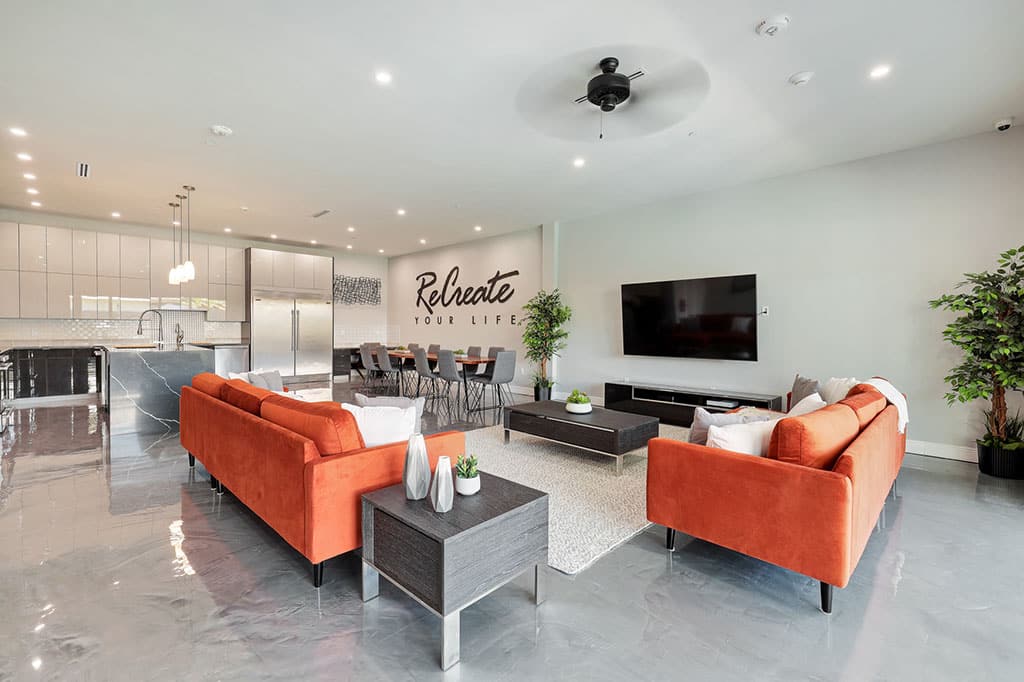
About Recreate Behavioral Health: A Leading Residential Treatment Facility in Boca Raton
Recreate Behavioral Health is a residential addiction treatment provider dedicated to helping people suffering from addiction and co-occurring mental health conditions find stability, healing, and long-term recovery.
A Patient-Centered Treatment Philosophy
At Recreate Behavioral Health, treatment begins with a comprehensive assessment that looks beyond substance use alone. Clinicians evaluate mental health, medical history, personal background, and recovery goals to create a customized treatment plan.
The program emphasizes:
- Personalized therapy plans
- Trauma-informed and dual-diagnosis care
- Structured daily programming with therapeutic activities
- A supportive, respectful environment focused on dignity and healing
This patient-centered philosophy helps individuals feel understood and supported, which can be essential for meaningful engagement in treatment.
Patients often describe this long-term focus as transformative. One individual reflected, “They taught me how to live sober, not just how to stop using. I left with tools I still use every day.”
Another former patient noted, “They didn’t just put me in a generic program. My therapist and psychiatrist really took the time to understand my background and what I needed.”
Accreditation, Licensing, and Clinical Standards
Accreditation and licensing are key indicators of a facility’s quality and commitment to safety. Recreate Behavioral Health operates in compliance with state and federal regulations and adheres to rigorous clinical and ethical standards.
Accredited facilities typically meet benchmarks for:
- Patient safety and risk management
- Clinical staff qualifications and supervision
- Evidence-based treatment practices
- Ethical billing and marketing practices
- Quality improvement and performance monitoring
Recognition from independent accreditation organizations and compliance partners, such as the Joint Commission (JCI) or LegitScript, signals that a facility has been independently evaluated for quality and transparency.
These credentials provide reassurance to patients and families seeking trustworthy care.
External Recognition and Independent Directories
Recreate Behavioral Health is listed in respected behavioral health directories and platforms that help individuals and families find verified treatment providers.
These include platforms such as Psychology Today, Recovery.com, and Rehabs.com, which feature treatment center profiles, program descriptions, and patient feedback.
Independent listings and third-party recognition help validate a facility’s reputation and visibility within the broader behavioral healthcare community. For patients researching treatment options, these directories provide an additional layer of transparency and confidence.
The Medical and Clinical Team: Guiding Patients and Supporting Families
Behind every effective residential treatment program is a multidisciplinary team of professionals dedicated to patient care.
At Recreate Behavioral Health, the treatment team includes licensed clinicians, medical providers, and support staff who collaborate to address the complex needs of people suffering from addiction and mental health conditions.
A Multidisciplinary Treatment Team
Residential addiction treatment requires collaboration across multiple disciplines. Patients at Recreate Behavioral Health may work with:
- Physicians and medical providers who oversee physical health, manage withdrawal, and address medical complications
- Psychiatrists and psychiatric nurse practitioners who diagnose and treat mental health conditions and manage medications
- Licensed therapists and counselors who provide individual, group, and family therapy
- Case managers and recovery specialists who coordinate care, discharge planning, and aftercare resources
- Nursing staff who provide 24/7 monitoring, support, and medical assistance
This team-based approach ensures that patients receive comprehensive care that addresses both physical and psychological aspects of addiction.

Financial Options for Residential Addiction Treatment in Boca Raton
Cost is a common concern for individuals and families considering residential addiction treatment. Recreate Behavioral Health offers multiple financial options and works with patients to make treatment accessible and transparent.
Insurance Coverage and Verification
Many residential addiction treatment programs accept private insurance plans, particularly PPO policies. Coverage can vary depending on the plan, provider network, and level of care required.
Recreate Behavioral Health typically assists patients and families with:
- Insurance verification and benefits checks
- Understanding in-network and out-of-network coverage
- Estimating out-of-pocket costs before admission
Navigating insurance can be confusing, and having a dedicated admissions team guide the process can reduce stress for families seeking urgent care.
Self-Pay and Flexible Payment Options
For individuals without insurance coverage or those who prefer to pay privately, self-pay options may be available. Facilities like Recreate Behavioral Health may offer:
- Private pay packages
- Flexible payment plans
- Financial guidance during the admissions process
Discussing financial options early can help families make informed decisions and focus on treatment rather than uncertainty.
The Cost of Treatment vs. the Cost of Untreated Addiction
While residential treatment represents an investment, the long-term costs of untreated addiction can be far greater.
Medical complications, legal issues, lost employment, and strained relationships can create significant financial and emotional burdens over time.
Many former patients and families express that seeking treatment was a turning point. As one family member shared, “We were worried about the cost at first, but looking back, it was the best investment we could have made. It gave us our loved one back.”

Take the First Step Toward Recovery in Boca Raton
The road to recovery is rarely linear, but it becomes far more navigable when the destination feels attainable.
In Boca Raton, residential addiction treatment proves that healing can happen in a place of beauty, dignity, and genuine care. A place where the weight of addiction is met with understanding rather than judgment, and where tomorrow is built one courageous step at a time.
If you or someone you love is searching for that turning point, remember this: hope is not lost somewhere in the distance. It has an address, and it may be closer than you think.
Reaching out is the first act of reclaiming a life worth living. The door is open. Recovery is waiting.