If you’ve ever experienced jaw or teeth clenching after using a substance, feeling unsettled is completely understandable. These sensations appear suddenly and can be quite difficult to control.
However, you’re not alone. Many people experience gurning without realizing what’s happening.
What is gurning and what causes the jaw clenching and facial movements? Understanding why it happens can help you recognize early warning signs and take steps to protect yourself.
What Is Gurning?
Gurning or bruxism is one of the side effects of drug use. It’s characterized by repeated grinding of teeth, which you may not even be aware of.
Gurning happens when substances cause overactivity in the basal ganglia, a part of the brain related to motor control. These substances can trigger involuntary facial movements, causing jaw clenching.
The act of gurning isn’t particularly harmful, but it can lead to a few health problems.

Health Problems Related to Gurning
People who are gurning can sometimes do it without realizing. Aside from teeth grinding, here are some signs to look out for.
- Jaw Pain: You may experience soreness and pain, especially when you move your jaw.
- Lockjaw: Lockjaw, or trismus, happens when your jaw muscles tighten. The tightening affects your temporomandibular joint (TMJ). As a result, it can prevent you from opening or closing your mouth.
- Headache: Tension from the jaws can also spread toward your neck and head. This can lead to headaches and facial pain.
- Periodontal Disease: Gurning worsens existing periodontal disease and interferes with blood circulation to the gums. It can lead to gum disease and tooth loss.
- Dry Mouth: Gurning is linked with anxiety and stress. When combined, you may experience nosebleeds, a dry mouth, and a cracked tongue.
Gurning Drugs: Which Substances Can Cause Jaw Clenching?
Gurning is caused by substances that affect your central nervous system. These substances disrupt the neurotransmitters that control your muscles.
These gurning drugs can include the following.
1. Cocaine
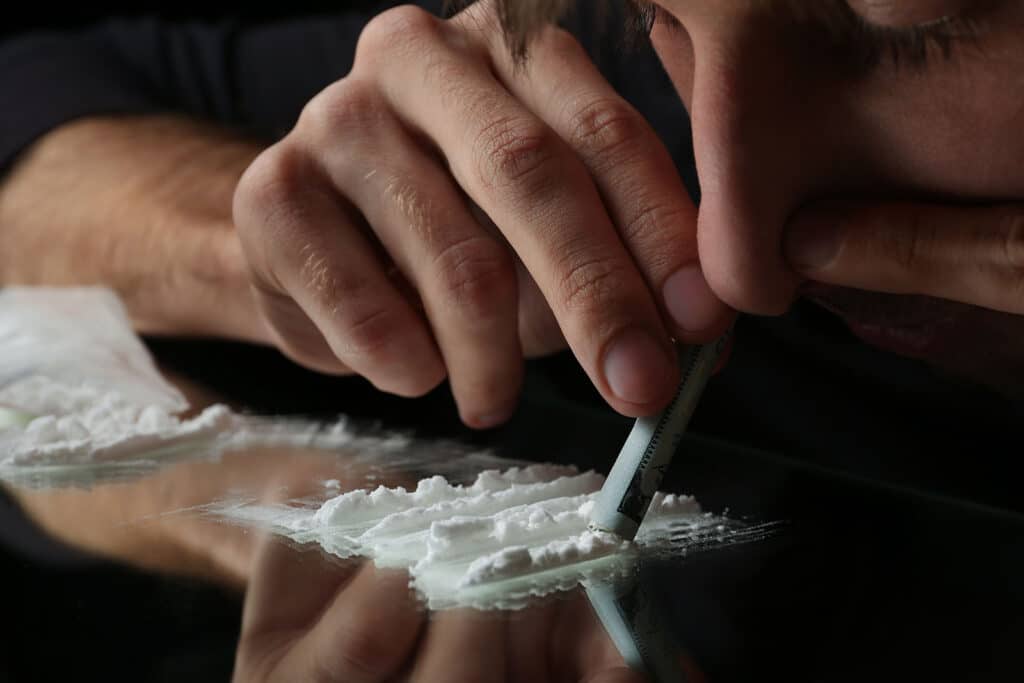
One of the effects of cocaine addiction is coke jaw, the collection of oral problems that happens after cocaine use. Coke jaw is caused by the drug’s stimulant effects.
Cocaine addiction can lead to teeth grinding, muscle tension, and spasms. These, combined with the corrosive effects of cocaine, destroy the user’s gums and teeth.
The more frequent the cocaine use, the higher your chances of developing coke jaw. Coke jaw can range from mild (slight jaw discomfort) or severe (intense pain, tooth decay, and loose teeth).
If you’re struggling with coke jaw and cocaine abuse, it’s important to seek help immediately.
2. MDMA
MDMA or ecstasy is another drug that can cause temporomandibular joint dysfunction. Studies show that MDMA use can reduce your oral protective reflexes.
In short, using MDMA can lead to tooth wear, lesions, and soft tissue damage.
The teeth grinding, combined with drinking too many sugary beverages, can increase your chances of developing gum disease.
3. Methamphetamine
Methamphetamine is an addictive substance that can cause devastating effects on your oral health. Using it can lead to meth mouth, a term used to describe tooth decay and gum disease resulting from meth use.
Research shows that 72% of meth users develop a dry mouth. Over 62% experience jaw clenching, and 47% have pain at the jaw joint.
4. Opioids and Stimulant Drugs
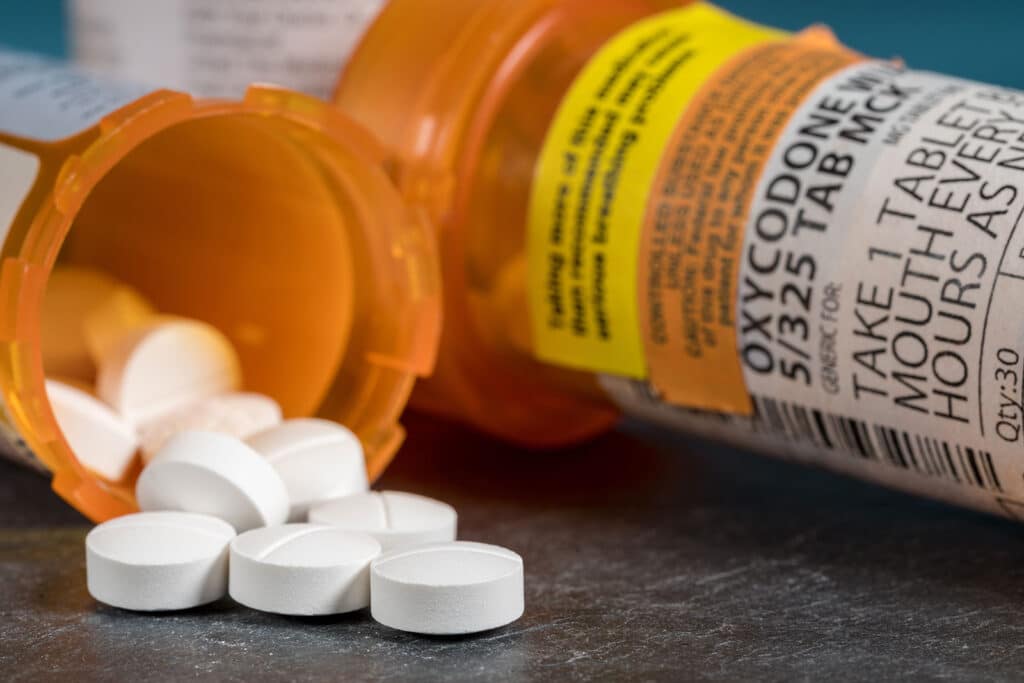
Opioids are substances that can wreak havoc on your teeth. A 2019 study revealed that nearly all opioid users have unhealthy gums. At least 8% experience bleeding, while 24% are missing teeth as a result of drug use.
Opioids are harmful to your oral health because they affect brain regions that regulate jaw movement. It inhibits your motor response, which causes gurning.
5. Antidepressants
Like cocaine use, taking antidepressants like fluoxetine and sertraline can also lead to bruxism.
Symptoms of teeth clenching can start after three to four weeks of using antidepressants. Female patients are also more susceptible.
Fortunately, teeth grinding from using antidepressants can lessen with supportive medication.
6. ADHD Medications
ADHD medications, like methylphenidate and amphetamines, increase muscle activity by affecting your neurotransmitters.
When combined with the stress and lack of sleep, ADHD medication can cause jaw pain, headaches, and tooth damage.
7. Antipsychotics
Gurning can be a side effect for those taking antipsychotic medications. Taking these drugs can lead to irreversible damage to the jaw joint and destroy your oral health.
Patients may experience limited jaw motions, dislocation, drooling, and difficulty chewing. Not only that, they may have trouble talking and swallowing.

How to Lessen and Prevent Gurning
Gurning can be a scary experience for those taking substances and prescription medication. However, the good news is that there are a few things you can do to lessen the symptoms.
Here’s what you can do.
1. Manage Stress
Stress and anxiety are major contributing factors to gurning. Stress can cause your jaw muscles to tense up, leading to involuntary facial movements.
Therefore, managing stress can help to lessen gurning.
You can start by doing mindfulness activities, like exercise, yoga, and listening to music. Simply putting your phone down and doing something you love can greatly help with stress and anxiety.
2. Receive Medication
In some cases, doctors can prescribe medication to lessen uncontrollable facial movements.
Buspirone, in particular, acts as a partial agonist for serotonin receptors. It can increase the release of dopamine in your brain and counteract gurning.
Patients who take buspirone report improvement within weeks of starting the medication.
3. Use a Mouth Guard
Although using a mouth guard doesn’t stop gurning, it can lessen the damage caused by teeth grinding.
Mouth guards are physical barriers that protect your teeth and gums. Wearing one, especially while you sleep, can relieve jaw pain and stiffness.
4. Ask for Lower Dosages
Gurning can be a long-term effect of prescription medication.
If you’re experiencing gurning from your medication, it’s best to tell your doctor. They can stop the gurning by lowering your dosage or changing the medication altogether.
5. Practice Better Oral Hygiene
Better oral hygiene doesn’t cure gurning, but it can prevent secondary issues like gum disease and tooth decay.
Teeth grinding can wear down enamel and expose the sensitive layers of your teeth. Regular brushing and flossing can keep the remaining surface clean and healthy.
6. Try Cognitive Behavioral Therapy
Cognitive behavioral therapy is a type of treatment that addresses negative thought patterns. It can lessen stress and even correct behavioral problems.
Studies show that CBT can improve symptoms of gurning and relieve jaw pain within two months.
7. Discontinue Drug Usage
Lastly, the best thing you can do to recover from gurning is to stop using substances.
It may be difficult at first, but you’re not alone. You can seek help from your local rehab center to safely discontinue drug use.

Recovering From Gurning Drugs – How We Can Help
Experiencing gurning can be scary, especially if it happens after drug use. That said, you don’t have to go through this difficult time alone.
Recreate Behavioral Health Network is a Joint Commission-accredited treatment center. We follow strict standards to deliver the highest quality of care to all our patients.
Here’s what you can expect when you seek addiction treatment at our facility.
1. Experienced Doctors and Staff
All our staff are trained to help you explore the underlying cause of gurning. We use our medical knowledge to reduce jaw clenching and other symptoms related to substance use.
2. A Peaceful Environment
Recreate Behavioral Health Network comprises four facilities at prime locations surrounded by nature.
At RBHN, you’ll get your own private space and good food in a home-like setting. We create a healthy environment where you can feel safe for your mental health.
3. Safe Detox
Detox can be dangerous as some withdrawal symptoms can be life-threatening. We ensure your safety through medication-assisted treatment.
By using prescription medication, we can manage the adverse effects of detoxification. Our healthcare professionals will monitor you 24/7 so that you’re always comfortable.
4. Tailored Treatments
RBHN carefully assesses each patient’s background to create a tailored program. We curate the most effective treatment plan based on your needs.
Services at our facility include inpatient rehab, outpatient rehab, and partial hospitalization. We can also create Kosher plans and plans suitable for men, women, and the LGBTQ community.
5. Complete Aftercare
Completing a treatment program is a major step to turning your life around. Yet, real sobriety involves a lifetime of work.
RBHN offers full aftercare planning and support services so you have everything you need to live a drug-free life. You can get access to healthcare professionals and a healthy community even after you graduate.

Conclusion
Gurning isn’t simply a symptom. It’s a sign that your body is crying out for help.
Understanding gurning drugs and seeking support is one of the most powerful steps you can take to turn your life around.
Don’t worry. You don’t have to go through this tough time alone.
If you or a loved one is experiencing gurning, please don’t hesitate to reach out to us. Recreate Behavioral Health Network will guide you through the whole rehab process.
Recovery is possible. All you have to do is take that first step!